The third shot drop is the single most important shot for moving your team from the baseline to the net, and it's also the shot that takes new players the longest to feel comfortable with. Here's what it actually is, why the rules make it necessary, and how to build the mechanics.
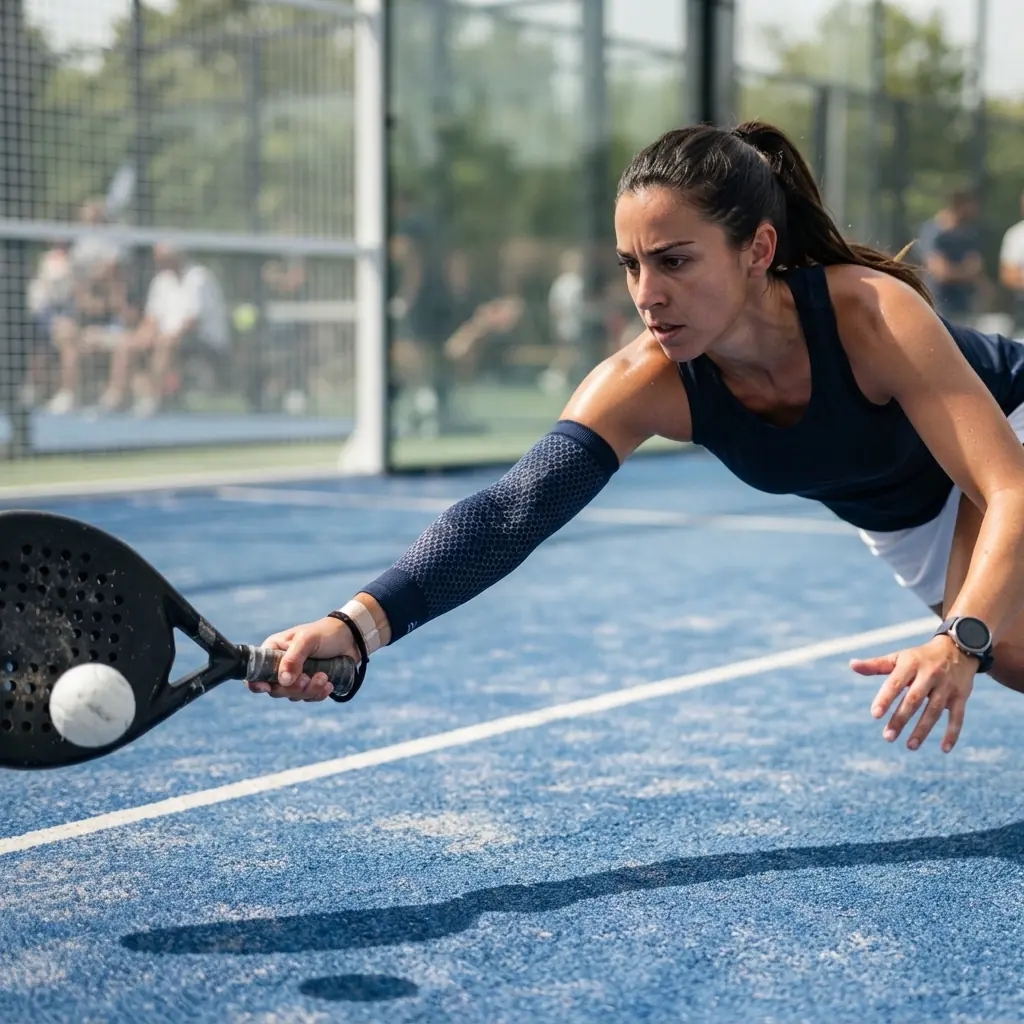
THIRD SHOT DROP
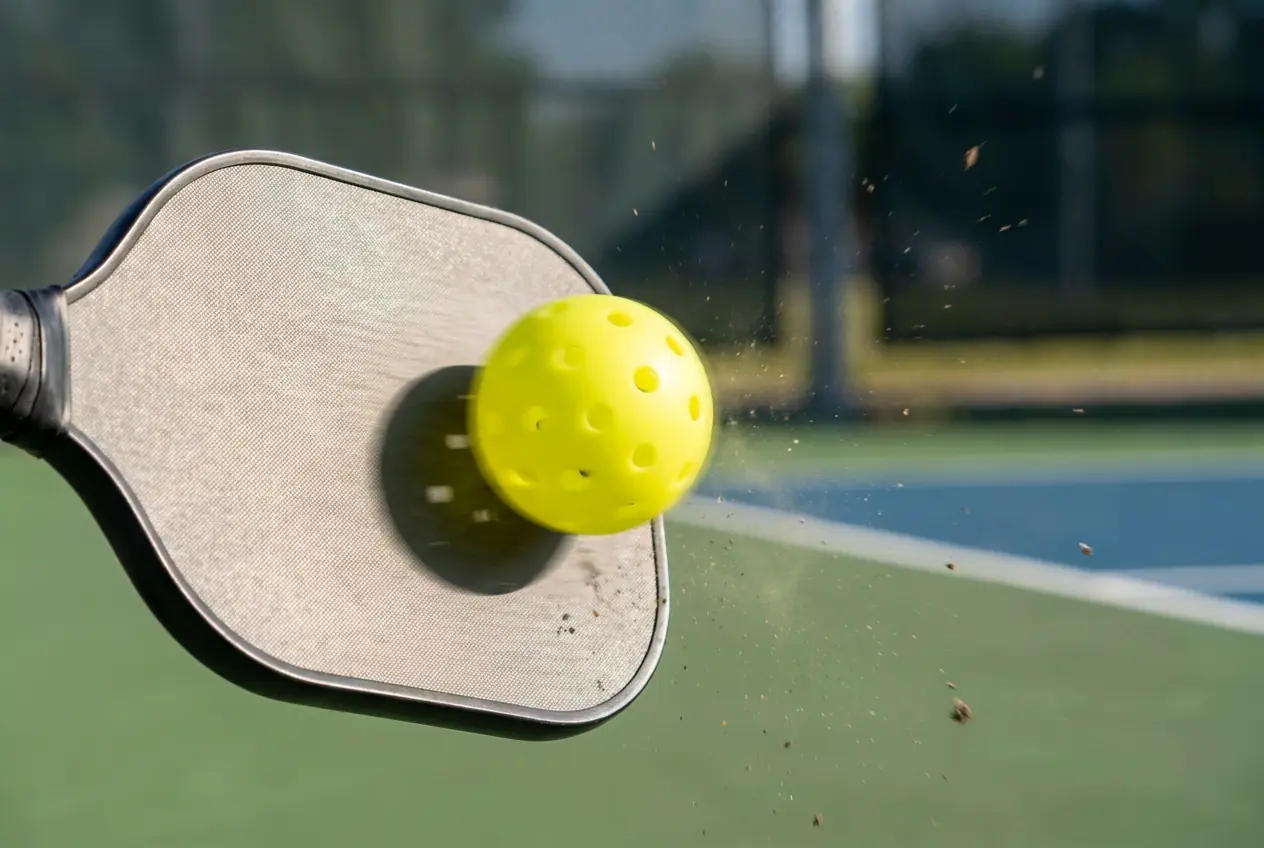
SOFT PADDLE FACE
What the Third Shot Drop Actually Is
It's a soft, arcing shot hit from around your own baseline that's meant to land just over the net and drop into the opponent's non-volley zone (the kitchen) before they can attack it. It gets its name from its position in the point: shot one is the serve, shot two is the return, and shot three — hit by the serving team, who are still stuck at the baseline because of the double-bounce rule — is the drop.
Why It Matters
Under the double-bounce rule, the serving team can't volley the return of serve — they have to let it bounce, which means they're starting the point pinned at the baseline while their opponents are often already at the net. A weak or high third shot sitting up around net height gets attacked immediately by a team standing at the kitchen line. A well-executed drop lands soft and low enough that it can't be attacked, buying the serving team the few seconds they need to move forward and even out the positional disadvantage.
The third shot drop isn't about hitting the ball hard — it's about buying your own team enough time to walk to the net before the other side can hurt you.
Grip, Swing Path & Footwork
Three things separate a consistent drop from an inconsistent one. First, grip pressure: hold the paddle loosely, close to what coaches often describe as a "handshake" grip rather than a death grip — tension in your hand transfers directly into unwanted pace on the ball. Second, swing path: the paddle face should move on a gentle low-to-high arc, using the legs and a soft push rather than a wristy snap, so the ball's natural trajectory carries it up and over the net before gravity pulls it back down into the kitchen. Third, footwork: split-step as your opponent hits their return, so you're balanced and moving forward through contact rather than reaching for the ball from a dead stop — see our courts & technique hub for more on footwork fundamentals that support this shot.
Common Mistakes
The most common error is tensing up on contact, which pops the ball up higher and harder than intended and hands the opposing team an easy put-away. The second is trying to muscle the shot from too far behind the baseline instead of taking a step or two forward into the shot. The third is watching the ball land instead of immediately moving forward — the drop only does its job if you use the time it buys to actually close the distance to the kitchen line.
The Third Shot Drive Alternative
The drop isn't the only legitimate third shot. A third shot drive — a flatter, harder shot aimed low past or through the opposing team — is a real alternative, particularly against opponents who struggle at the net or when a drop attempt is likely to sit up. It trades the safety of a soft, controlled shot for pace and pressure, and it's a higher-risk, higher-reward choice that tends to suit more aggressive, power-oriented players. Most coaching resources treat the drop as the higher-percentage default and the drive as a situational weapon, not the other way around.
How to Practice It
This shot is built through repetition more than any single tip. A rebounder net lets you drill the drop solo without needing a partner to feed you balls consistently, which is the main obstacle to getting enough reps.
SKLZ Pickleball Rebounder Net
~$80–90Angled rebound net for solo third-shot and volley drilling
A control-oriented paddle with a slightly thicker core also tends to make soft shots more forgiving than a stiff, power-oriented face — see our carbon fiber vs fiberglass breakdown for how core thickness changes touch at the net. Once the drop feels repeatable, pair it with our dinking strategy guide — the shot you'll be hitting once you've actually made it to the kitchen line.