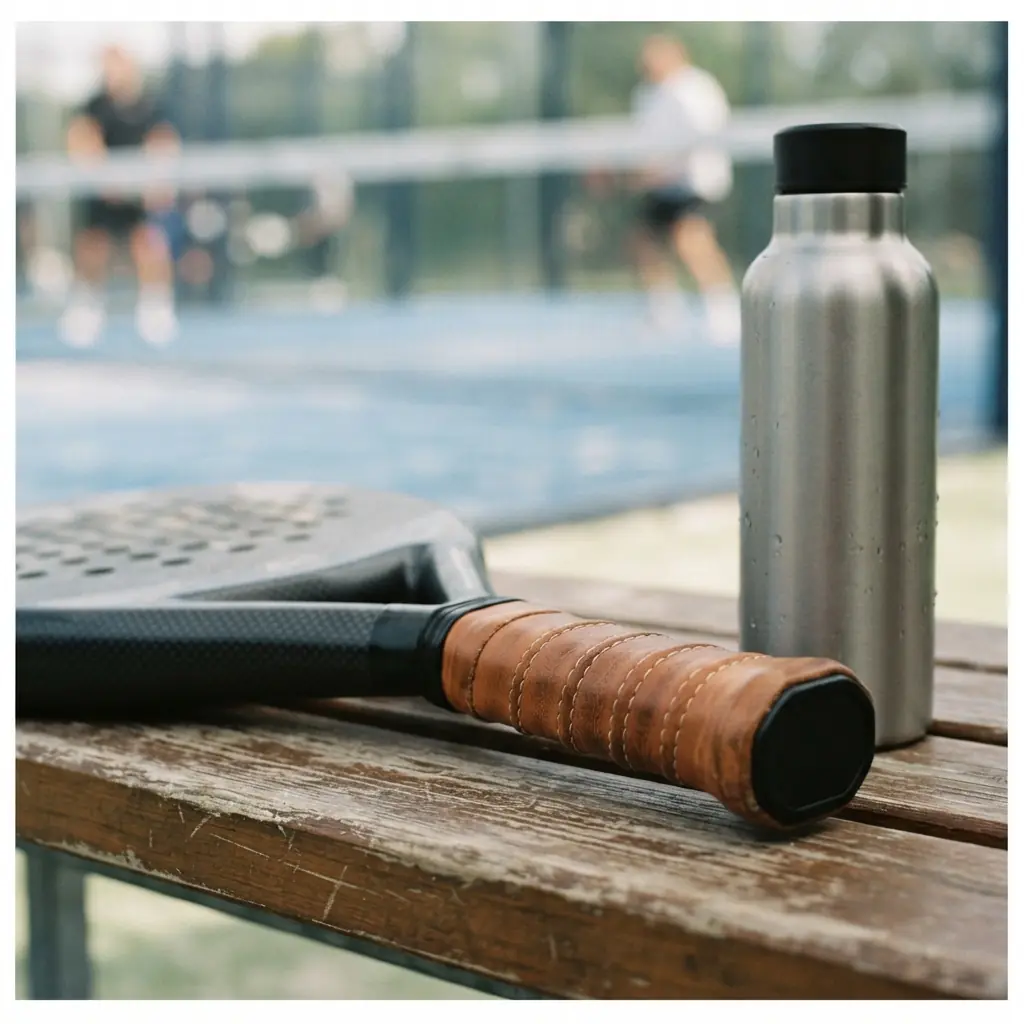
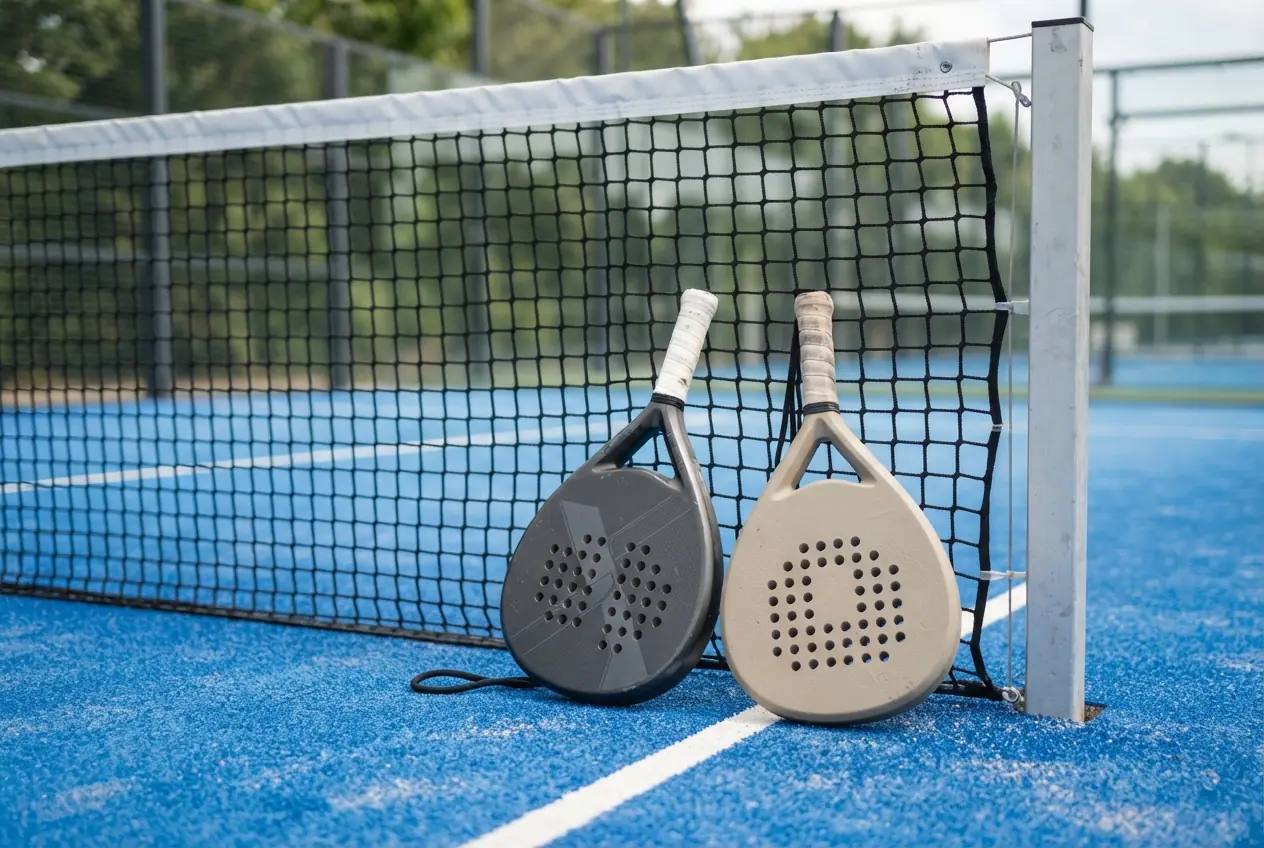
The right padel ball changes more than people expect — pressure, felt, and how fast a can plays all shift with altitude, temperature, and how many sessions a can has already been through. Here are four real balls worth buying, plus what actually separates them.
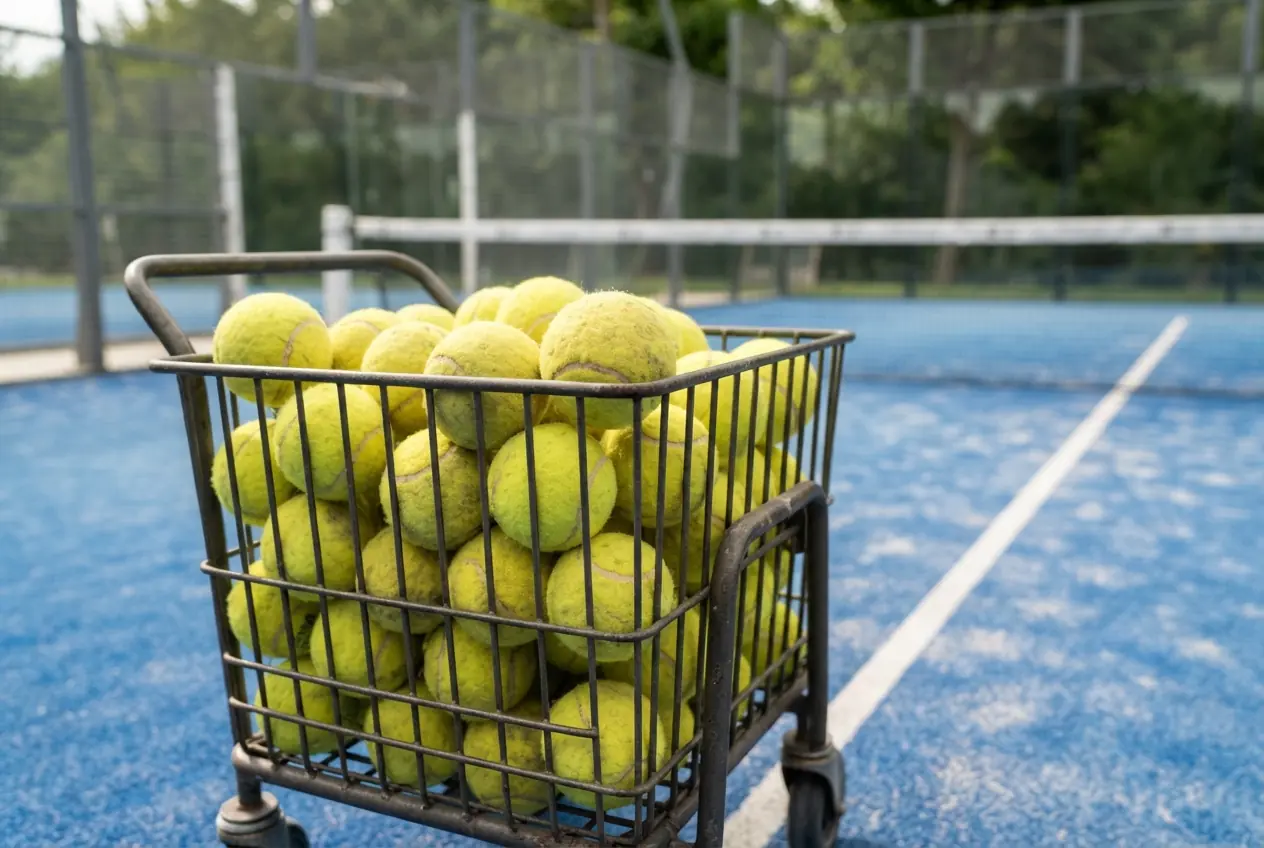
PRESSURIZED CANS
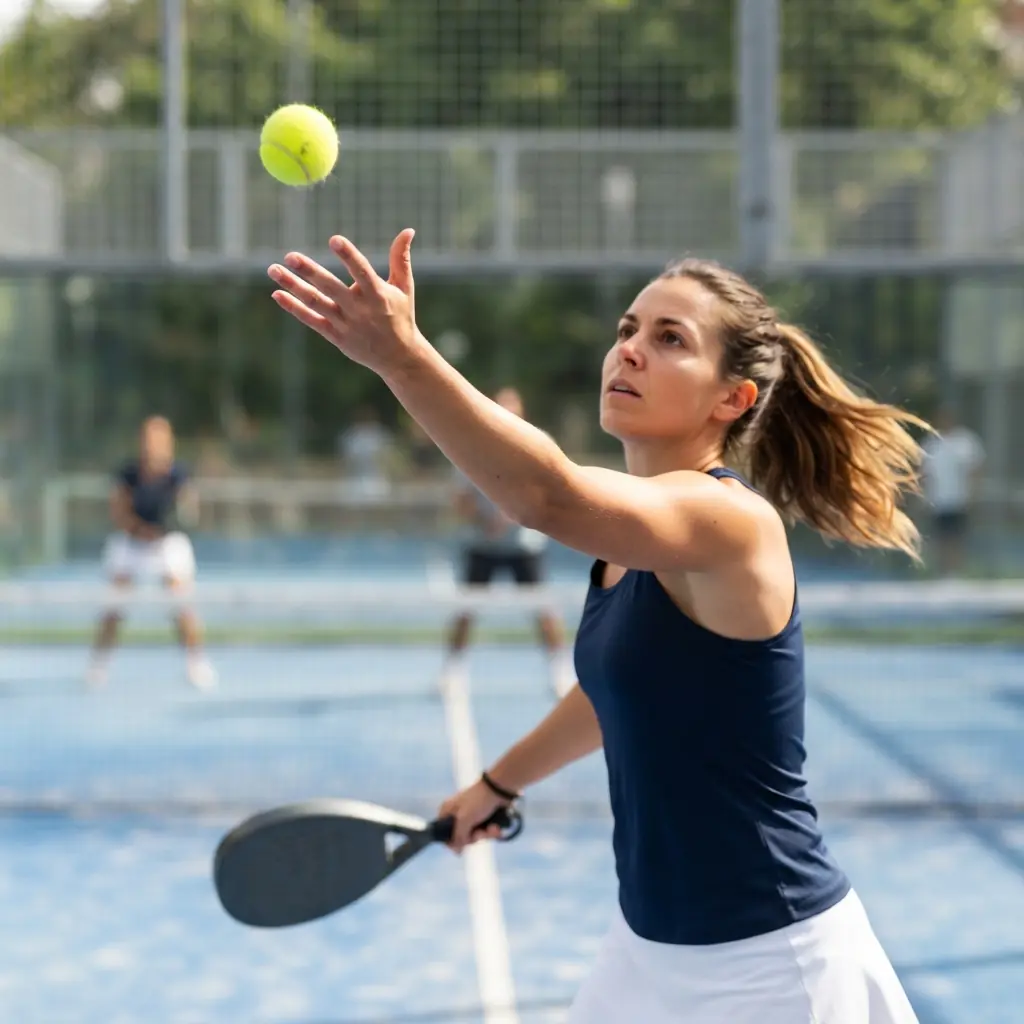
SPEED & BOUNCE
What Actually Changes Between Balls
Padel balls are pressurized, similar in size to a tennis ball but with slightly lower internal pressure and a shorter-napped felt, matched to a solid stringless racket instead of a strung one. Conditions matter more than most players realize: faster surfaces, higher altitude, and hot or humid weather all speed a ball up, which is why some balls (like the Wilson pick below) are specifically engineered to play a little slower to compensate. FIP approval is worth checking if you're playing anything sanctioned — both the Babolat and Dunlop balls below carry it.
Four Balls Worth Buying
Dunlop Pro Padel — ~$12 (3-ball can)
A tournament-quality, FIP-approved ball with an exclusive core and premium synthetic felt, and one of the most widely reviewed padel balls sold in the US. The safe, correct default if you're not sure what to buy.
Dunlop Pro Padel Balls
~$12 (3-ball can)FIP-approved, pressurized can, durable synthetic felt
Babolat Court Padel Balls — ~$6–8 (3-ball can)
A genuinely FIP-approved ball built for speed, at a noticeably lower per-can price than the Dunlop or Wilson options here. The right budget pick if you're buying balls often and don't want to pay a premium for a name on the can.
Babolat Court Padel Balls
~$6–8 (3-ball can)FIP-approved, built for speed, budget price per can
Wilson Premier Padel — ~$10–13 (3-ball can)
Wilson's Dura-Weave felt and HiVis coloring make this ball easy to track in flight, and it's specifically engineered to play a little slower — a genuine advantage on faster surfaces, at higher altitude, or in hot, humid conditions where balls naturally speed up.
Wilson Premier Padel Balls
~$10–13 (3-ball can)Dura-Weave felt, HiVis coloring, engineered to slow down fast conditions
A ball that feels perfect out of a fresh can can play noticeably faster after just a few hard sessions — replace cans on a schedule, not just when they visibly wear out.
Dunlop Pro Padel — Case of 24 Cans (72 Balls)
The same Dunlop ball above, sold in bulk. The per-can price drops meaningfully compared to buying single cans, which makes real sense the moment you're playing weekly, or if you're stocking balls for a club or multiple courts rather than a single bag.
Dunlop Pro Padel Balls — 24-Can Case
~$130 (24 cans / 72 balls)Same FIP-approved ball as above, lower cost per can in bulk
Comparison Table
| Ball | Pack Size | Notable | Price |
|---|---|---|---|
| Dunlop Pro Padel | 3-ball can | FIP-approved, tournament quality | ~$12 |
| Babolat Court | 3-ball can | FIP-approved, budget pick | ~$6–8 |
| Wilson Premier | 3-ball can | Slower play for fast/hot conditions | ~$10–13 |
| Dunlop Pro Padel (case) | 24 cans / 72 balls | Lowest cost per can | ~$130 |
Prices pulled from manufacturer and retailer listings at the time of writing and vary by retailer and promotion — confirm current price before buying.
Verdict
The Dunlop Pro Padel is the simplest correct default — FIP-approved, well reviewed, and playable anywhere. Reach for the Babolat Court can when price matters more than brand, and the Wilson Premier if you're playing somewhere hot, humid, or at altitude where balls naturally speed up. The moment you're playing weekly, buy the 24-can case; padel balls lose pressure and speed up with wear the same way pickleballs crack and go out of round. For the racket to go with your new balls, see our padel rackets guide.