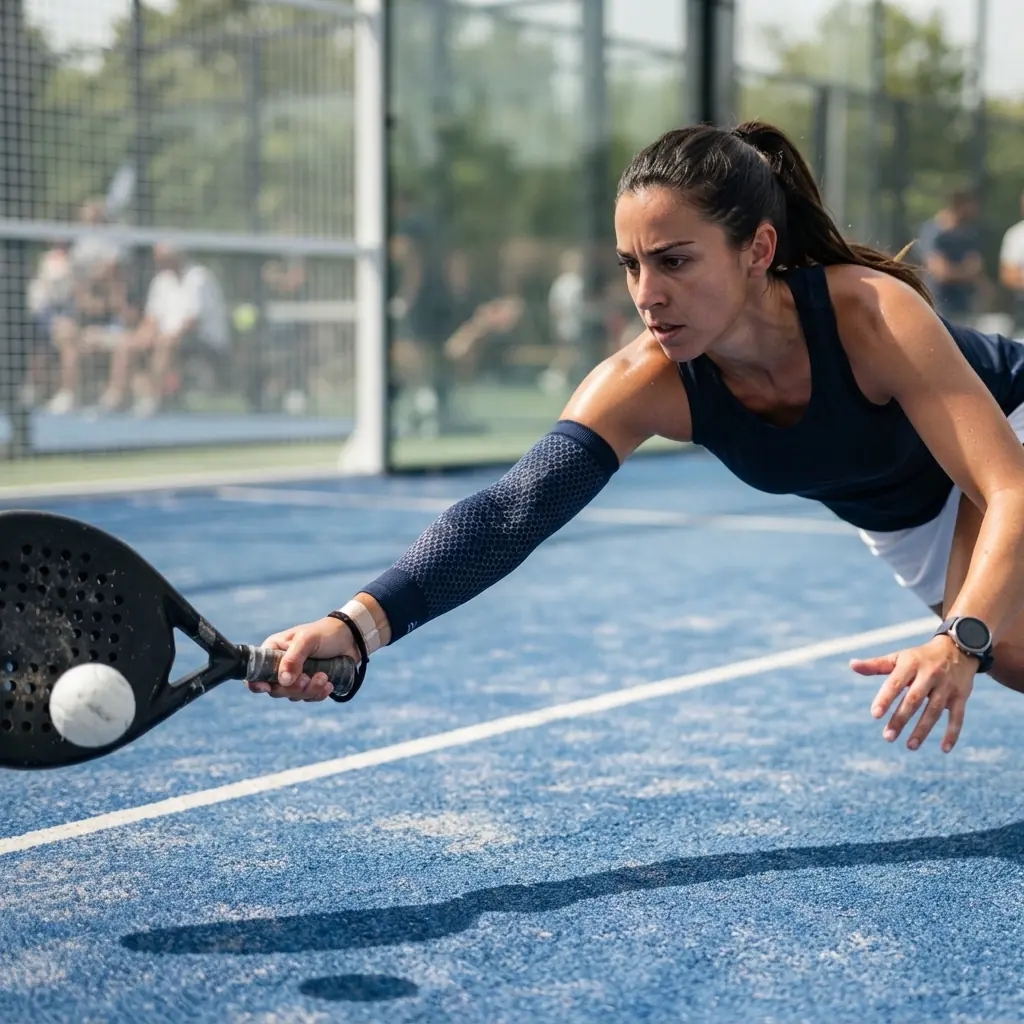
Once both players reach the kitchen line, the point usually turns into a dink rally — a patient, low-pace exchange that rewards control over power. It's also the part of the game that frustrates new players the most, because the instinct to hit the ball harder is exactly wrong here.

NET-LEVEL PLAY
SOFT CONTACT
What a Dink Actually Is
A dink is a soft shot hit from inside or just behind the non-volley zone that arcs just over the net and lands in the opponent's kitchen, bouncing low enough that it can't be attacked. It's the net-level equivalent of the third shot drop — same goal of keeping the ball low and unattackable, just from a different court position and with both players already at the net.
Why Patience Beats Power
Hitting a dink harder doesn't make it more effective — it makes it easier to attack, because pace on a ball that's already close to the net is exactly what an opponent needs to punish it. The player who breaks first, either by popping a dink up too high or trying to force an aggressive shot before a real opening exists, is usually the one who loses the exchange. Dink rallies are won by whoever is more comfortable waiting.
The player who gets impatient first in a dink rally is almost always the player who loses the point — this is a game of who can wait longer, not who can hit harder.
Cross-Court vs. Straight-Ahead Dinking
Cross-court dinking is the generally lower-risk option, for two geometric reasons: the net is at its lowest height at the center (34 inches, versus 36 at the sidelines), and the diagonal distance across the court is longer than hitting straight ahead, giving you more room for error on both pace and depth. Straight-ahead dinking is higher risk but can be used deliberately to change the rhythm an opponent has settled into, or to target a specific weaker side. Most coaching resources recommend defaulting to cross-court dinking until you have a specific reason to go straight ahead.
Grip & Contact
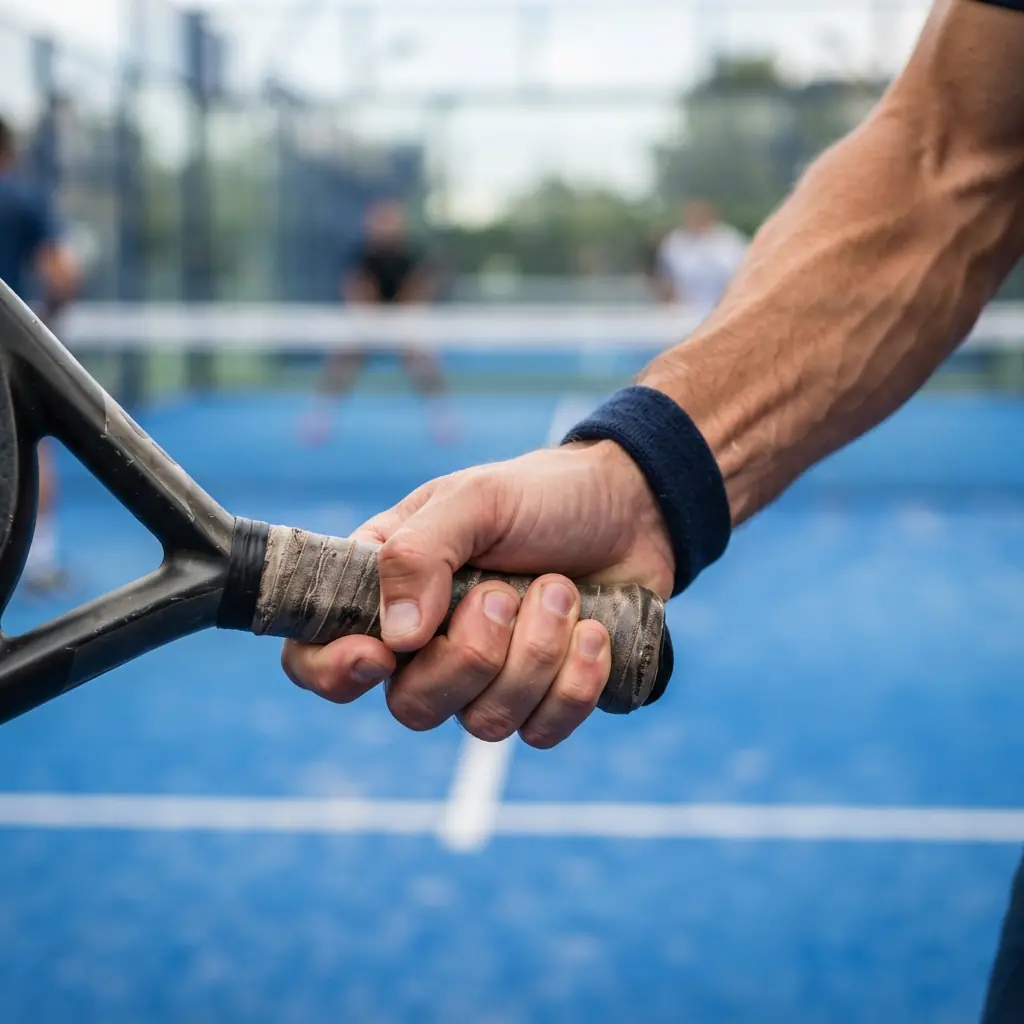
A tight grip transfers your own tension directly into the ball as unwanted pace — the opposite of what a dink needs. Many coaches teach a loose, relaxed grip using a "dead fish" cue: imagine holding something that shouldn't be squeezed. Contact should be out in front of your body with a short, controlled paddle-face motion, using your legs to stay balanced rather than reaching or lunging, which tends to produce a rushed, high-bouncing dink that's easy to attack.
Building a Dink Rally
The goal of a dink rally isn't usually to end the point on a single dink — it's to construct the point patiently until a ball sits up enough to attack safely, or your opponent makes an unforced error first. A useful mental model: every dink you hit should either maintain the neutral exchange or slightly improve your position (pulling an opponent wide, for example), rather than trying to force a winner from a neutral ball. When a genuinely attackable ball does appear — one that bounces above net height — that's the moment to transition to a faster shot, not before.
Common Mistakes
The most common mistake is popping a dink up too high, which happens almost every time from tension in the grip or hitting with too much backswing for a shot that needs almost none. The second is drifting backward off the kitchen line during a long rally, which gives up the court position the whole exchange was fought for in the first place. The third is trying to end every rally with one aggressive dink instead of being willing to hit five or six neutral shots in a row while waiting for a real opening.
A tacky, well-maintained grip makes a real difference in dink control, since a slick grip forces you to squeeze harder to keep the paddle stable — which is exactly the tension you're trying to avoid.
Tourna Grip Overgrip (10-Pack)
~$21.95The most widely recommended overgrip across racket sports; keeps grip pressure light and controlled
Once dinking feels comfortable, pair it with the third shot drop guide for the full sequence of getting from the baseline to a controlled net rally, or see our courts & technique hub for footwork fundamentals that support both shots.