Footwear is one of the few pieces of pickleball gear where the wrong choice has a real injury cost, not just a performance one. This guide compares five current court shoes on published specs, price and what shows up consistently in owner reviews.
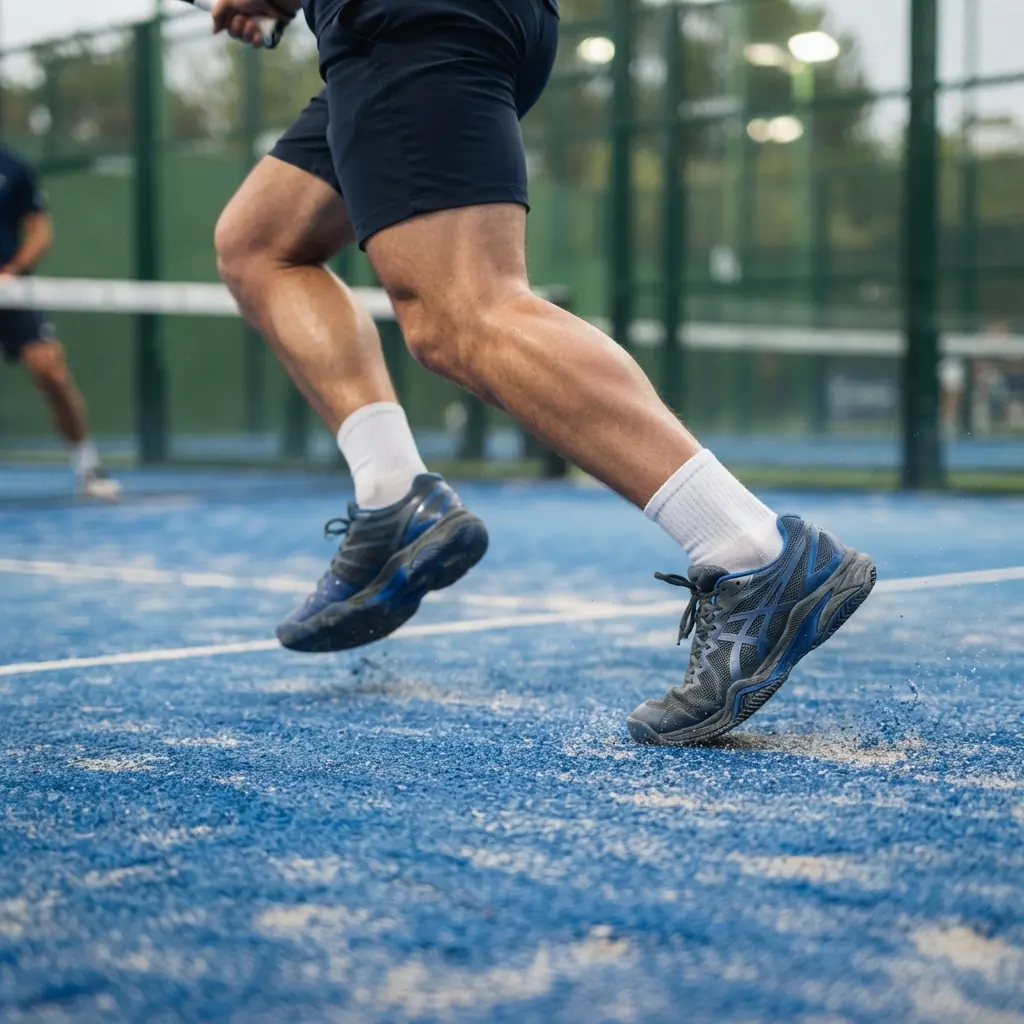
LATERAL CUTS
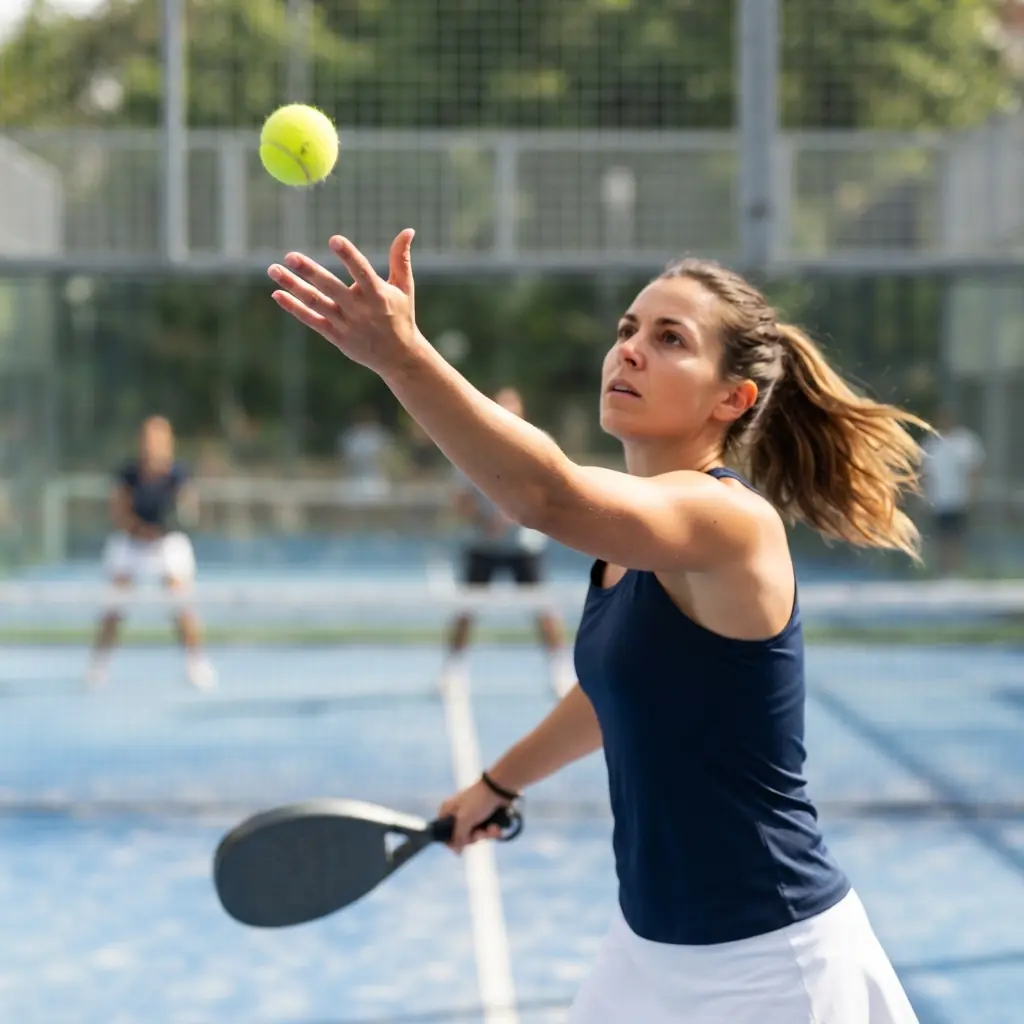
COURT-READY STABILITY
Why Not Running Shoes
Running shoes are engineered for a single, repetitive forward motion. Their sole typically has a heel-to-toe rocker shape designed to roll your foot through a straight stride, and the upper is optimized for forward flex rather than side-to-side stability. Pickleball is built around the opposite movement pattern: sudden lateral cuts, split-steps, and quick direction changes to cover the kitchen line. That mismatch is a commonly cited factor in ankle-roll injuries among players who show up in running shoes, since the rounded sole that helps a runner roll forward can catch or twist when planting hard sideways.
Dedicated court shoes address this with a flatter, wider sole platform, reinforced material along the sides for lateral support, and — for indoor facilities especially — a non-marking rubber outsole that many venues require outright.
What to Look For
Beyond lateral support, a few specs are worth checking before buying: outsole pattern (herringbone treads are common for multidirectional grip), toe box width (a wider box reduces friction on hard cutting motions), and whether the shoe is built specifically for court sports or borrowed from tennis, which shares enough movement demands to generally work well.
Five Shoes Worth Considering
K-Swiss Hypercourt Express 2 ($95–120)
A frequently recommended value pick, built with a wider fit than many court shoes and an all-court outsole suited to both indoor and outdoor play. Reviewers consistently note it requires no break-in period — a genuine convenience if you need a pair ready for a session this week.
K-Swiss Hypercourt Express 2
$95–120Wider fit, all-court outsole, no break-in required
Skechers Viper Court Pro 2.0 (~$115)
Skechers' pickleball-specific line uses an Arch Fit insole and the brand's ULTRA GO cushioning, and has built a reputation as one of the more comfortable, durable options in its price range without pushing into premium pricing.
Skechers Viper Court Pro 2.0
~$115Arch Fit insole, ULTRA GO cushioning, durable outsole
ASICS Gel-Resolution X (~$160)
Originally a tennis shoe, the Gel-Resolution line is frequently recommended for pickleball on the strength of its lateral stability — a natural crossover given tennis and pickleball share similar side-to-side movement demands. It sits at a higher price point than the K-Swiss or Skechers options.
ASICS Gel-Resolution X
~$160Tennis-crossover shoe recognized for maximum lateral stability
JOOLA R4lly (~$180)
JOOLA's first purpose-built pickleball shoe, with a noticeably wider toe box than most tennis-crossover options and a carbon fiber shank for added support. It's the most expensive shoe on this list, positioned as a premium, pickleball-specific option rather than a tennis shoe pressed into service.
SQAIRZ XRZ (~$128–160)
Built around a distinctive square toe box for stability and a thick herringbone outsole, the XRZ is marketed specifically on durability, including a manufacturer wear guarantee. Worth a look if previous court shoes have worn out faster than you'd like.
Comparison Table
| Shoe | Known For | Typical Price |
|---|---|---|
| K-Swiss Hypercourt Express 2 | Wide fit, no break-in needed | $95–120 |
| Skechers Viper Court Pro 2.0 | Comfort-to-price balance | ~$115 |
| ASICS Gel-Resolution X | Maximum lateral stability | ~$160 |
| JOOLA R4lly | Purpose-built, wide toe box | ~$180 |
| SQAIRZ XRZ | Durability, wear guarantee | $128–160 |
Prices pulled from manufacturer and retailer listings at the time of writing and vary by size, colorway and retailer — confirm current price before buying.
The best pickleball shoe isn't the most expensive one on this list — it's the one built for your foot shape that you'll actually keep wearing.
When to Replace Court Shoes
Court shoes wear out faster than most people expect, especially with regular outdoor play on abrasive surfaces. A commonly cited guideline is to inspect the outsole tread every few months of regular play (roughly twice a week or more) — once the herringbone pattern visibly flattens in the forefoot and lateral zones, grip drops off before the shoe looks obviously "worn" from the outside. Cushioning breaks down on a similar timeline even if the outsole still looks fine, which is part of why a shoe can start to feel less supportive well before it looks due for replacement. If you're playing multiple times a week, budgeting for a new pair every six to twelve months is a reasonable expectation regardless of which shoe on this list you choose.
Verdict
If you want the safest, most-recommended starting point, the K-Swiss Hypercourt Express 2 covers the fundamentals without a premium price tag. Players who already know they want tennis-grade lateral stability should look at the ASICS Gel-Resolution X. If you're committed to the sport and want gear built specifically for it rather than borrowed from tennis, the JOOLA R4lly is the more purpose-built option. And if past court shoes have worn out too fast, the SQAIRZ XRZ's durability focus is worth the look. For everything else a new player needs, see our beginner gear setup guide, or browse the full apparel hub.