Whether you're checking if a shot landed in bounds or sizing up your driveway for a permanent court, the numbers that matter are simpler than they look. This guide covers the official dimensions, how much real-world space you need around them, and what a backyard build actually costs.
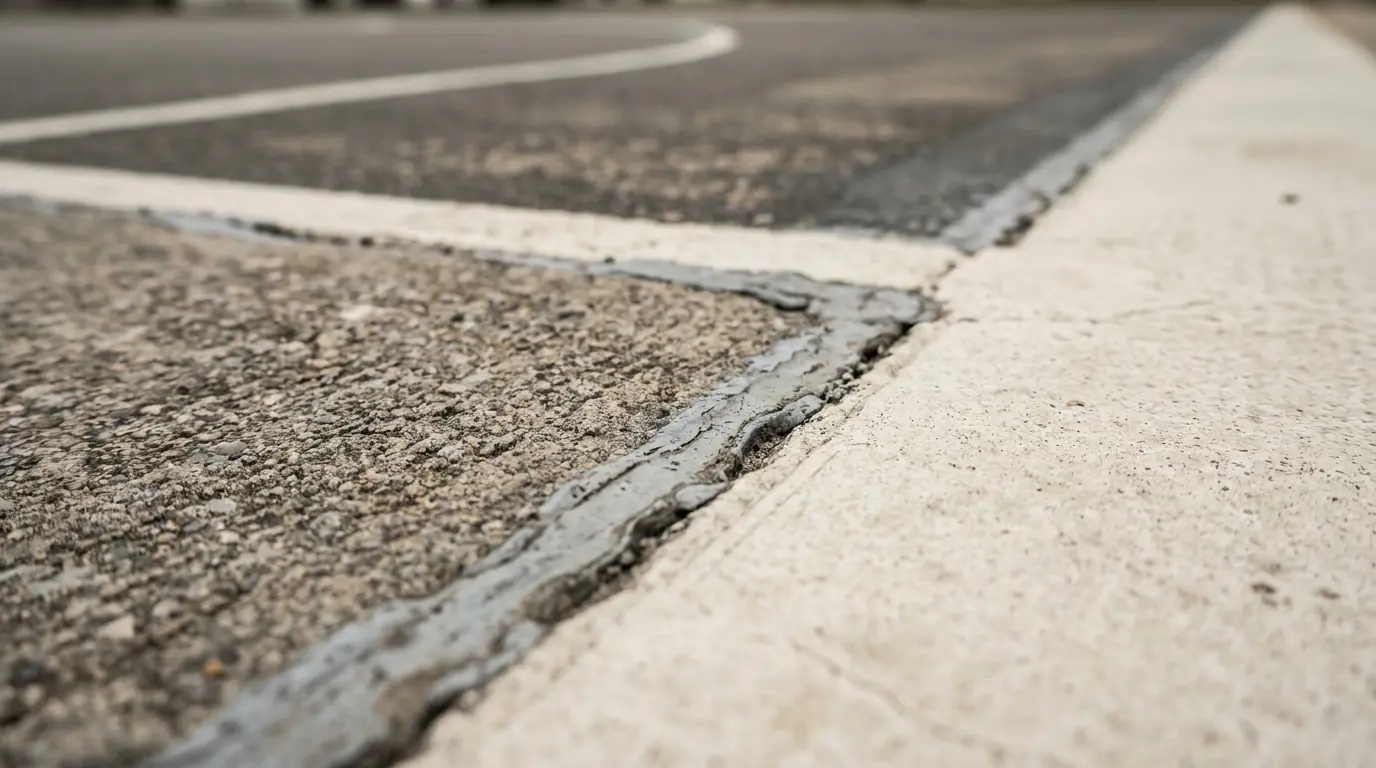
TEXTURE DETAIL
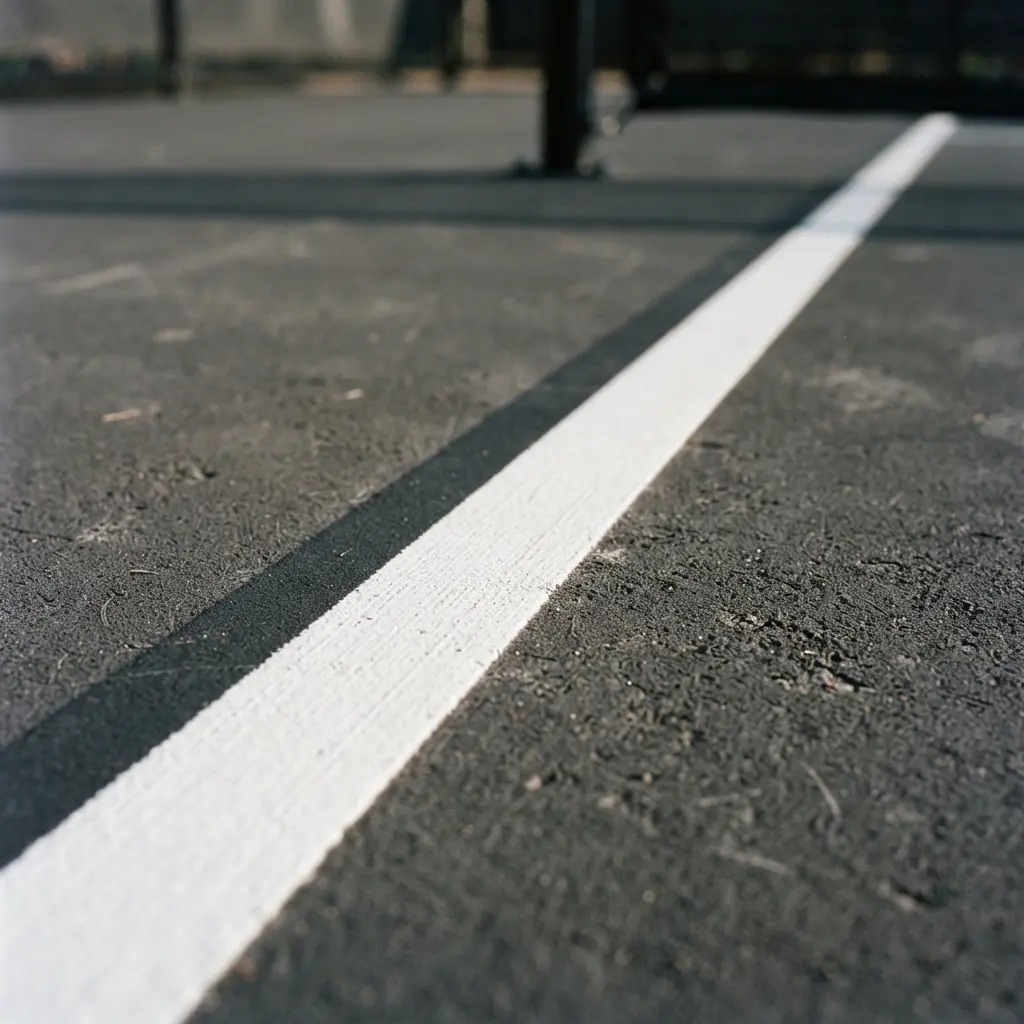
BOUNDARY DETAIL
Official Court Dimensions
A regulation pickleball court is 20 feet wide by 44 feet long — the same footprint for both singles and doubles play, which is one of the things that makes the sport cheaper to build for than tennis. The net stands 36 inches high at the posts and dips to 34 inches at the center. Each side of the net has two service courts measuring 10 feet by 15 feet, and the non-volley zone ("the kitchen") extends 7 feet back from the net on each side — see our full rules explainer for how those lines get used during play.
How Much Space You Actually Need
The 20x44 figure is the in-bounds playing surface only — it doesn't include room to safely move behind the baseline or along the sidelines to chase a shot. USA Pickleball's own siting guidance recommends a minimum total space of 30 feet by 60 feet for a single court, and 34 by 64 feet or more is a more comfortable, tournament-oriented standard. If you're measuring a backyard or driveway, use the larger number as your real target — a court with no run-back room is playable for casual dinking but frustrating the moment a rally opens up.
The Portable, Low-Cost Option
You don't need a permanent build to start playing. A portable net system on an existing driveway, basketball court, or any flat concrete pad is the lowest-cost way to get a real court going, and it's the right starting point if you're not sure yet how often you'll actually use a dedicated space.
Onix Portable Pickleball Net System
~$160Freestanding, regulation-height portable net for driveways and multi-use courts
Budget options exist well under $80, though build quality and net tension consistency tend to drop off at the lowest price points — a net that sags in the middle changes how the ball plays near it, so read reviews on tension and frame stability before buying the cheapest listing you find.
Surface Options for a Permanent Court
If you're committing to a permanent court, the surface matters more than most first-time builders expect. A plain, unmodified concrete or asphalt slab is playable and the cheapest option, but it's noticeably harder on knees and ankles over a long session than a surface built for the sport. Acrylic sport-coating systems, applied over a concrete or asphalt base, add cushioning and consistent color-coded court lines. Modular interlocking tile systems are a step up in cushioning and installation flexibility and are commonly used for both permanent and semi-permanent courts.
The 20-by-44 number is the easy part — the space you actually need to move safely around it is what most backyard builds get wrong.
Realistic Costs
Costs vary enormously by region, existing site conditions, and how much fencing and lighting you add, so treat any number here as a starting range rather than a quote. A full permanent build — grading or resurfacing an existing slab, an acrylic sport coating, striping, and a permanent net system — commonly runs from the low five figures into the tens of thousands of dollars depending on size and finish. Reusing an existing concrete pad (an old tennis or basketball court) and adding coating and striping only is meaningfully cheaper than a full ground-up build. Get at least two local quotes before budgeting a specific number; site prep (grading, drainage) is often the line item that swings the price the most. Once the surface is settled, a permanent build also calls for a concrete-set net system rather than a portable one — see our permanent in-ground net guide for real options and pricing.
Comparison Table
| Option | Approx. Cost | Best For |
|---|---|---|
| Portable net on existing pad | ~$80–200 for the net | Testing interest before committing |
| Resurface existing concrete pad | Low thousands | Homeowners with an old tennis/basketball court |
| Full ground-up permanent court | Low five figures to $40,000+ | Dedicated backyard build with fencing & lighting |
Cost ranges reflect commonly cited industry figures and vary significantly by region and site conditions — get local quotes before budgeting.
Before You Build
Check local zoning and any HOA restrictions before committing to a permanent build — noise from paddle-and-ball contact carries further than most people expect, and some municipalities and HOAs regulate backyard sport courts specifically. If a permanent build isn't realistic yet, our courts hub covers public and indoor facilities where you can play regularly in the meantime, and our beginner gear guide covers what to bring once you find a court.