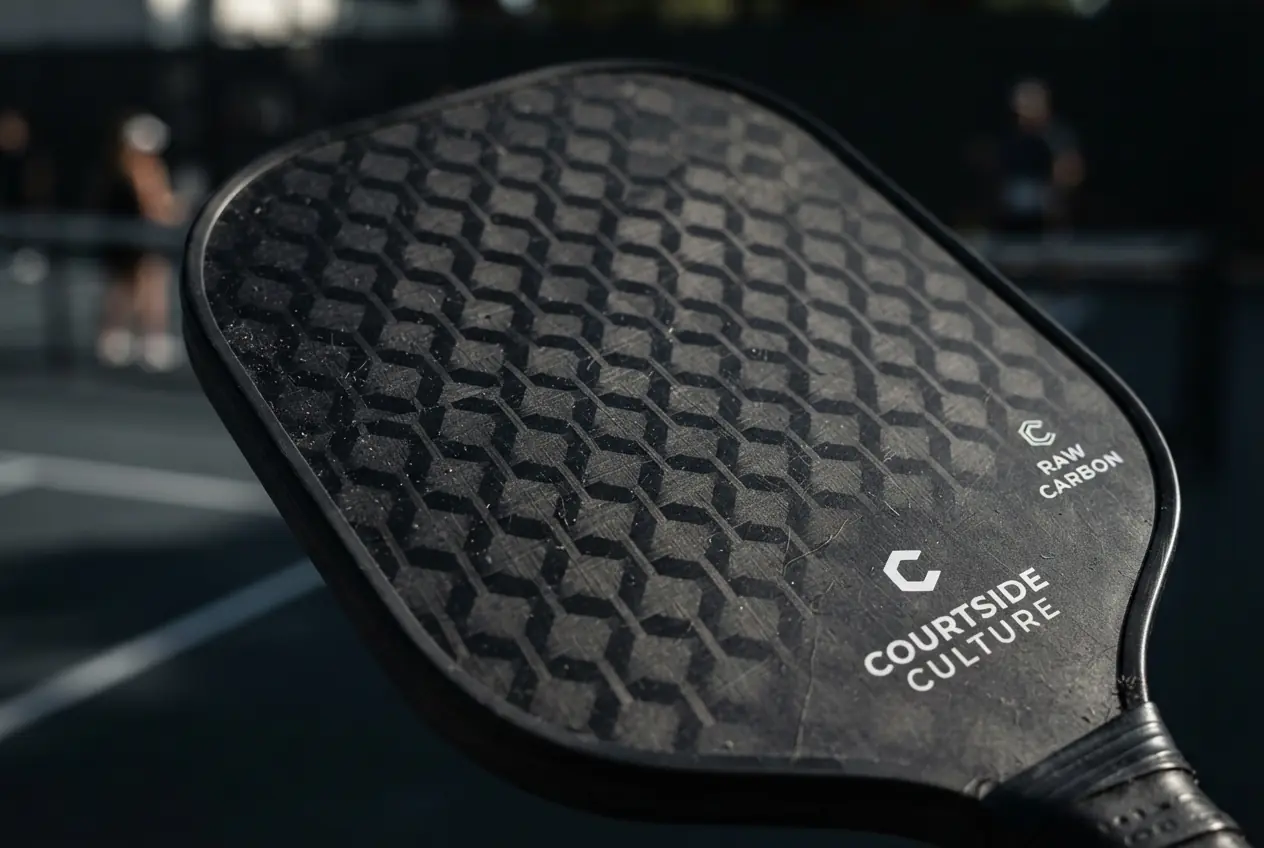
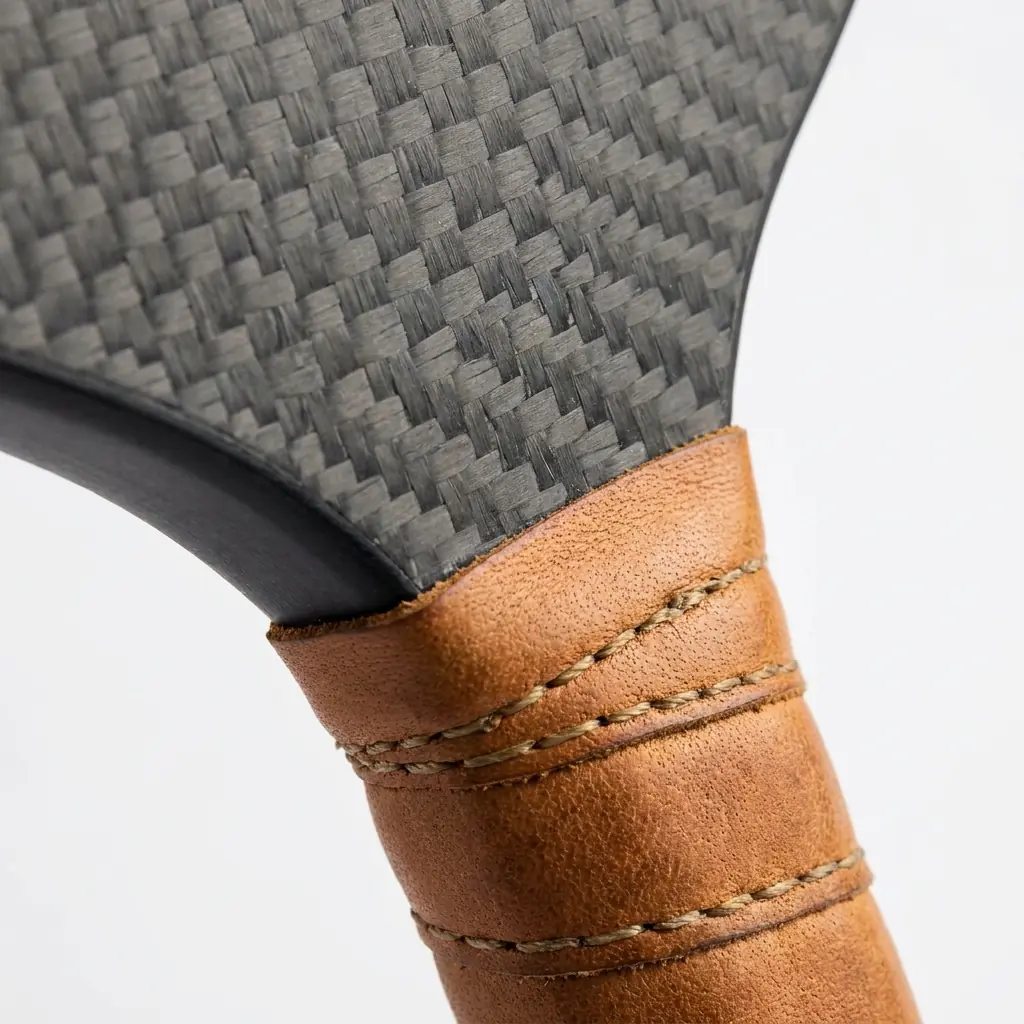
Picking a pickleball paddle from a wall of nearly identical-looking options is hard, and most "best of" lists don't explain what the numbers on the spec sheet actually mean. This guide compares six paddles across a range of prices by pulling together published specifications, typical street prices, and what shows up consistently in publicly available owner reviews. We have not tested these paddles ourselves — this is a research-based comparison, not a lab report.
Full Spec Comparison
| Model | Face Material | Weight | Core | Typical Price |
|---|---|---|---|---|
| Selkirk Vanguard Power Air Invikta | Carbon fiber / fiberglass hybrid | 7.7–8.1 oz | 13mm | ~$250 |
| CRBN 1X Power Series | Raw T700 carbon fiber | 7.8–8.1 oz | 14mm or 16mm | ~$230 |
| JOOLA Ben Johns Perseus CFS 16mm | Raw T700 carbon fiber | ~8.0 oz | 16mm | $160–230 |
| Paddletek Bantam TS-5 | Fiberglass | 7.0–7.5 oz | Polymer honeycomb | ~$90 |
| Engage Pursuit MX | Textured carbon fiber | 7.6–8.4 oz | ~15.8mm | ~$180 |
| ProLite Rebel PowerSpin 2.0 | Reactive fiberglass | 7.7–8.3 oz | 14mm | $110–160 |
Specs pulled from manufacturer and retailer listings at the time of writing. Models, colorways and prices change — confirm current details on the retailer page before buying.
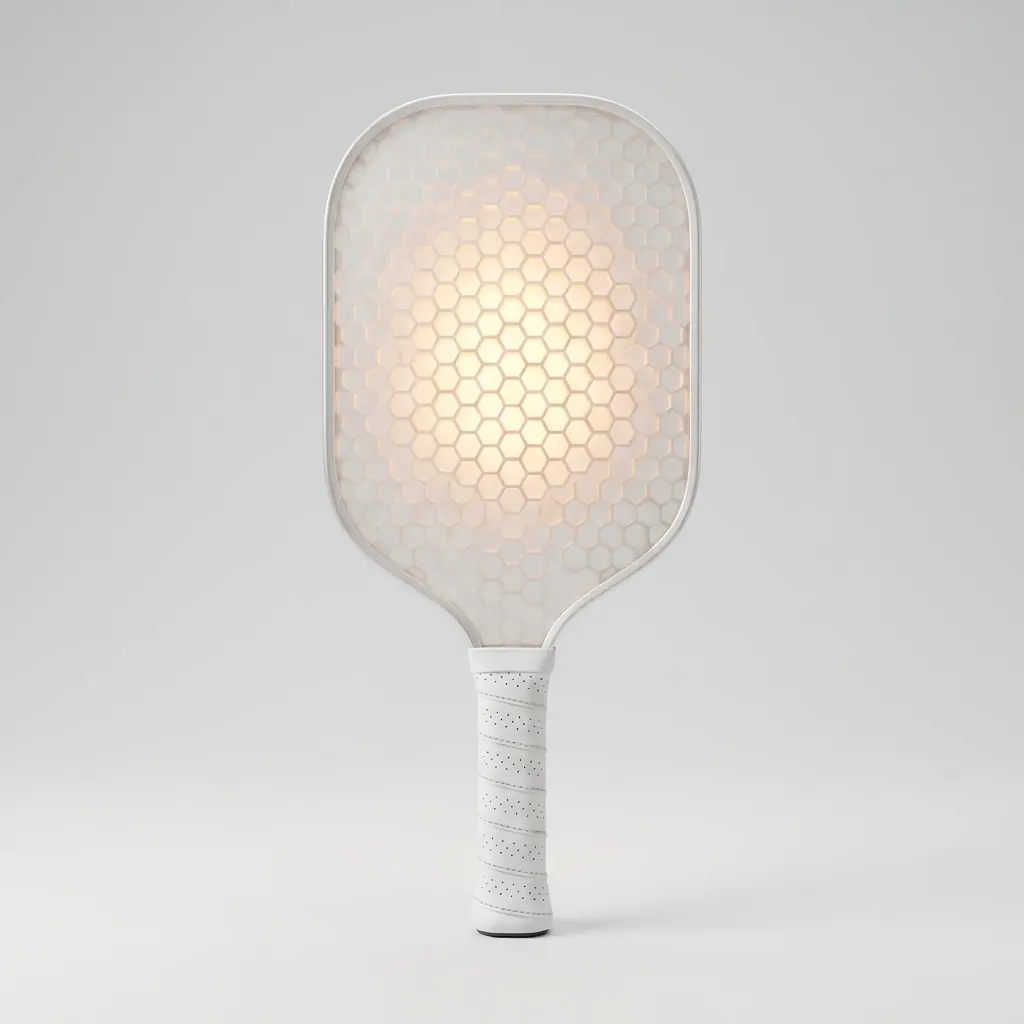
HONEYCOMB CORE
THIS SEASON'S FIELD
What to Look For in a Pickleball Paddle
Weight matters in two ways that get conflated. Static weight is what's printed on the spec sheet. Swing weight is how heavy the paddle feels in motion, which depends on how mass is distributed across the frame — two paddles with identical static weight can feel very different on a fast reset volley. Swing weight is rarely published, so owner reviews and in-hand comparisons are often the only way to get a sense of it.
Core thickness is the next variable worth checking. Thinner cores (13–14mm) tend to feel livelier and more power-oriented; thicker cores (16mm+) tend to extend dwell time and favor touch at the net. Face material — carbon fiber, fiberglass, or a hybrid of both — affects stiffness and, by extension, the control-vs-power balance discussed in our carbon vs. fiberglass breakdown. And if tournament play is on your radar, confirm the paddle carries current USA Pickleball approval before you buy — approved-equipment lists do change.
The Comparison
1. Selkirk Vanguard Power Air Invikta (~$250)
Selkirk's Vanguard Power Air Invikta uses a hybrid carbon fiber and Fiberflex fiberglass face rather than committing to one material, paired with a 13mm core and the brand's Air Dynamic Throat construction, which Selkirk states is designed to reduce swing drag. It's positioned by Selkirk and most retailers as one of the brand's higher-control tournament paddles, with an elongated shape aimed at doubles players who want extra reach. We cover it in full in our dedicated spec breakdown.
Selkirk Vanguard Power Air Invikta
~$250Hybrid carbon/fiberglass face, 13mm core, elongated shape
2. CRBN 1X Power Series (~$230)
The 1X Power Series uses a raw T700 carbon fiber face — not fiberglass, despite "Power Series" branding that might suggest otherwise — available with either a 14mm or 16mm core, in an elongated shape that adds reach on drives. Several reviewers note that despite the power-oriented name, it still plays closer to a control-leaning paddle than a pure power paddle, which tracks with carbon fiber's general stiffness profile.
CRBN 1X Power Series
~$230Raw T700 carbon fiber face, 14mm or 16mm core, elongated shape
3. JOOLA Ben Johns Perseus CFS 16mm ($160–230)
JOOLA's Perseus CFS uses a raw T700 carbon face — JOOLA calls it Charged Carbon Surface — over a 16mm reactive polypropylene honeycomb core with foam-infused edges intended to expand the sweet spot and dampen vibration. The 16mm core is the standout spec here: it's built for touch and dinking precision at the net rather than maximum pace.
JOOLA Ben Johns Perseus CFS 16mm
$160–230Raw T700 carbon face, 16mm core
4. Paddletek Bantam TS-5 (~$90)
The Bantam TS-5 is a lighter-weight paddle (roughly 7.0–7.5oz, noticeably lighter than the others on this list) with a fiberglass face over a polymer honeycomb core. It's part of Paddletek's lighter "Bantam" line, aimed at players who want a faster, more maneuverable paddle rather than maximum drive power — a genuinely different tradeoff than the carbon-faced paddles above, not just a cheaper version of them.
Paddletek Bantam TS-5
~$90Fiberglass face, polymer honeycomb core, lightweight build
5. Engage Pursuit MX (~$180)
Engage's Pursuit MX line uses a textured carbon surface the brand markets around spin generation, over a Control Pro polymer core around 15.8mm thick. Engage's own materials and several independent reviews describe strong dwell time and feel; note that spin performance across the Pursuit MX variants has gotten mixed feedback compared to Engage's EX-series paddles in some independent reviews, so treat "great for spin" as the manufacturer's positioning rather than a settled fact.
6. ProLite Rebel PowerSpin 2.0 ($110–160)
The Rebel PowerSpin 2.0 uses a reactive fiberglass face over a 14mm PolyCore honeycomb core, and is consistently positioned as an entry-to-mid-level paddle with a forgiving sweet spot. It's USA Pickleball approved and made in the USA. It's priced higher than a true budget paddle, but sits well below the premium carbon options above.
The best paddle on this list is the one that matches your swing and your budget — not necessarily the most expensive one.
Verdict
If budget isn't the deciding factor, the Selkirk Vanguard Power Air Invikta and CRBN 1X Power Series are both positioned toward serious, control-leaning players. The JOOLA Perseus CFS 16mm is worth a look specifically for its thicker, touch-oriented core. The Paddletek Bantam TS-5 stands out for its noticeably lighter build rather than price alone. The Engage Pursuit MX is worth considering for its textured surface, with the caveat that spin performance reports are mixed. And the ProLite Rebel PowerSpin 2.0 is a reasonable mid-tier entry point without the premium carbon price tag. For material-level detail on why these paddles play the way they do, see our carbon vs. fiberglass guide, or browse the full paddle hub.
Frequently Asked Questions
What's the best pickleball paddle for beginners?
Look for a lighter static weight and a forgiving, polymer-core sweet spot rather than a stiff carbon power paddle. On this list, the Paddletek Bantam TS-5 (~7.0–7.5oz) and the ProLite Rebel PowerSpin 2.0 are both positioned as easier to control while you're still building consistent contact.
What paddle does Ben Johns play with?
Ben Johns is sponsored by JOOLA, and the JOOLA Ben Johns Perseus CFS 16mm on this list is his signature paddle line.
Is a thicker or thinner pickleball paddle core better?
Neither is universally "better" — it's a tradeoff. Thinner cores (13–14mm), like the Selkirk Vanguard Power Air Invikta, tend to feel livelier and more power-oriented. Thicker cores (16mm+), like the JOOLA Perseus CFS, extend dwell time and favor touch and dinking at the net.
Do I need a USA Pickleball approved paddle to play?
Only for sanctioned tournament play. Recreational players can use any paddle, but if tournament play is on your radar, confirm the specific paddle currently holds USA Pickleball approval before buying — approved-equipment lists do change.
What's the difference between carbon fiber and fiberglass paddle faces?
Carbon fiber is stiffer and generally favors control and consistency, while fiberglass has more flex, which tends to add power and a more forgiving feel off-center. Several paddles on this list, like the CRBN 1X and JOOLA Perseus, use raw carbon fiber faces; others, like the Paddletek Bantam TS-5, use fiberglass. See our full carbon vs. fiberglass breakdown for more detail.