“Pickleball elbow” has become common enough to earn its own name, and the numbers back up why it's suddenly everywhere: pickleball-related emergency room visits rose roughly 150% between 2021 and 2023 in the US, and elbow and shoulder complaints are a meaningful share of that increase. Here's what's actually driving it, and what the evidence says helps.
THE #1 RISK FACTOR
WHERE VIBRATION TRAVELS
Why Pickleball Elbow Is Rising
The rise tracks the sport's own growth curve fairly directly: more players, more hours on court, and a large share of new players over 50 — a demographic that, per published injury data, accounts for roughly 90% of pickleball injuries overall. Lateral epicondylitis (tennis elbow, medically) affected an estimated 11% of competitive players in a 2023 study, and doctors report a clear uptick in patients presenting with it specifically because of pickleball rather than tennis or golf.
The Root Cause: Grip Size, Not Just Overuse
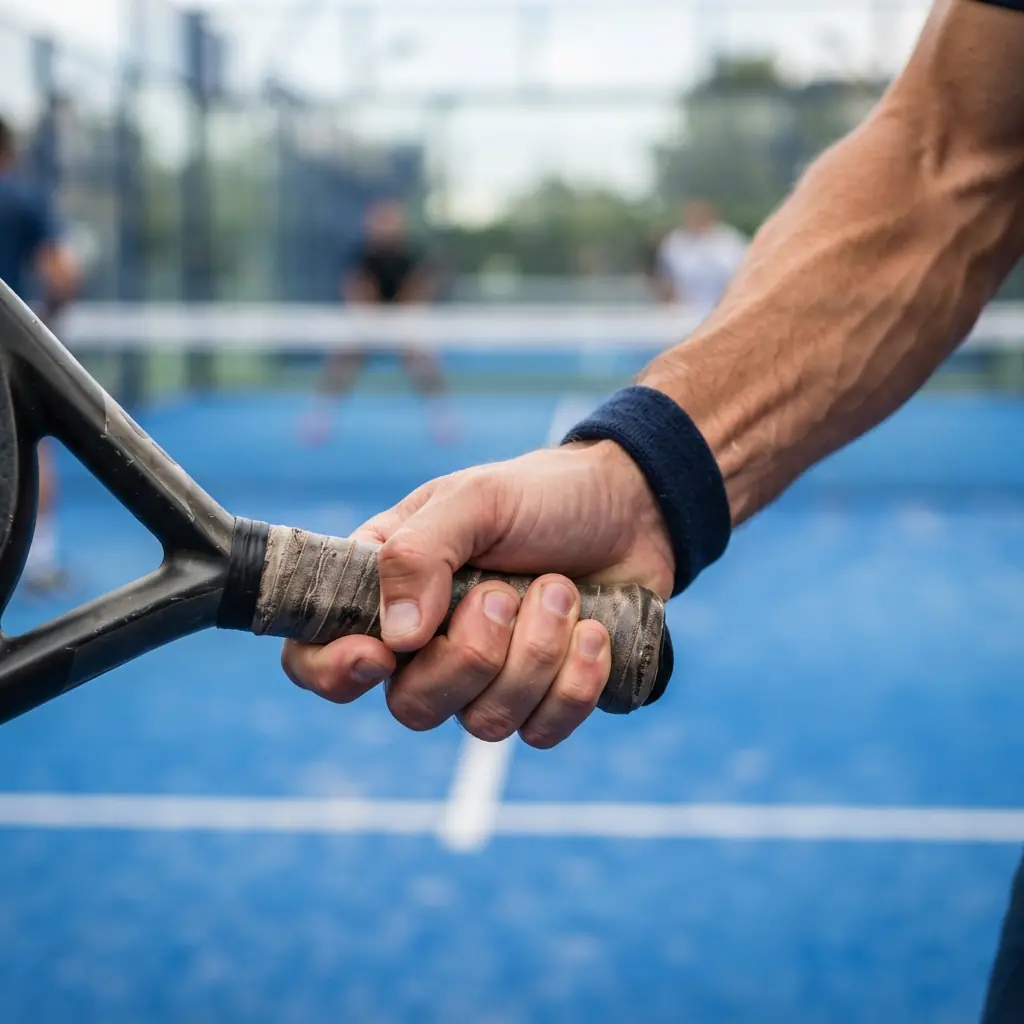
The most commonly cited root cause isn't simply playing too much — it's a paddle grip that's too small. When a grip is undersized for your hand, you compensate by squeezing harder to keep control, and that extra tension transfers vibration from every paddle-ball contact straight into the forearm tendon instead of being absorbed by a relaxed hand. A simple check: in a continental grip, you should be able to fit one finger between your fingertips and the heel of your palm. If you can't, your grip is likely too small. Our full grip and weight guide covers how to measure this properly before your next purchase.
The Second Cause: Arm-Only Swings
The second major factor is swing mechanics. Players who arm-swing through every shot — especially the third shot drop — put significantly more load on the elbow than players who initiate the shot from shoulder rotation and let the arm follow through naturally. This is a mechanical, coachable fix, not a strength or conditioning issue, and it's worth specifically asking a coach or more experienced player to check if you're arm-swinging out of habit.
The single most common fix for pickleball elbow isn't rest or a brace — it's a paddle grip one size larger and a swing that starts at the shoulder instead of the elbow.
What Actually Helps
Beyond fixing grip size and swing mechanics, a few specific products genuinely help manage symptoms and reduce ongoing strain:
Compression Sleeves
A graduated compression sleeve applies even pressure across the forearm, which supports blood flow and dampens some of the muscle vibration that would otherwise reach the tendon on every shot. It's a support tool, not a cure, but a reasonable everyday option for players managing mild, ongoing discomfort.
POWERLIX Elbow Compression Sleeve
~$15Graduated compression sleeve for everyday forearm support
Counterforce Braces
A counterforce strap works differently than a sleeve: it's a stiff band worn about two inches below the elbow crease that mechanically shifts the origin point of the forearm's extensor muscles, spreading out the tension generated on each swing rather than concentrating it at the inflamed tendon. Many players use both a sleeve and a strap together.
FREETOO Tennis Elbow Brace with Gel Pad
~$20Counterforce strap that redistributes tension away from the tendon
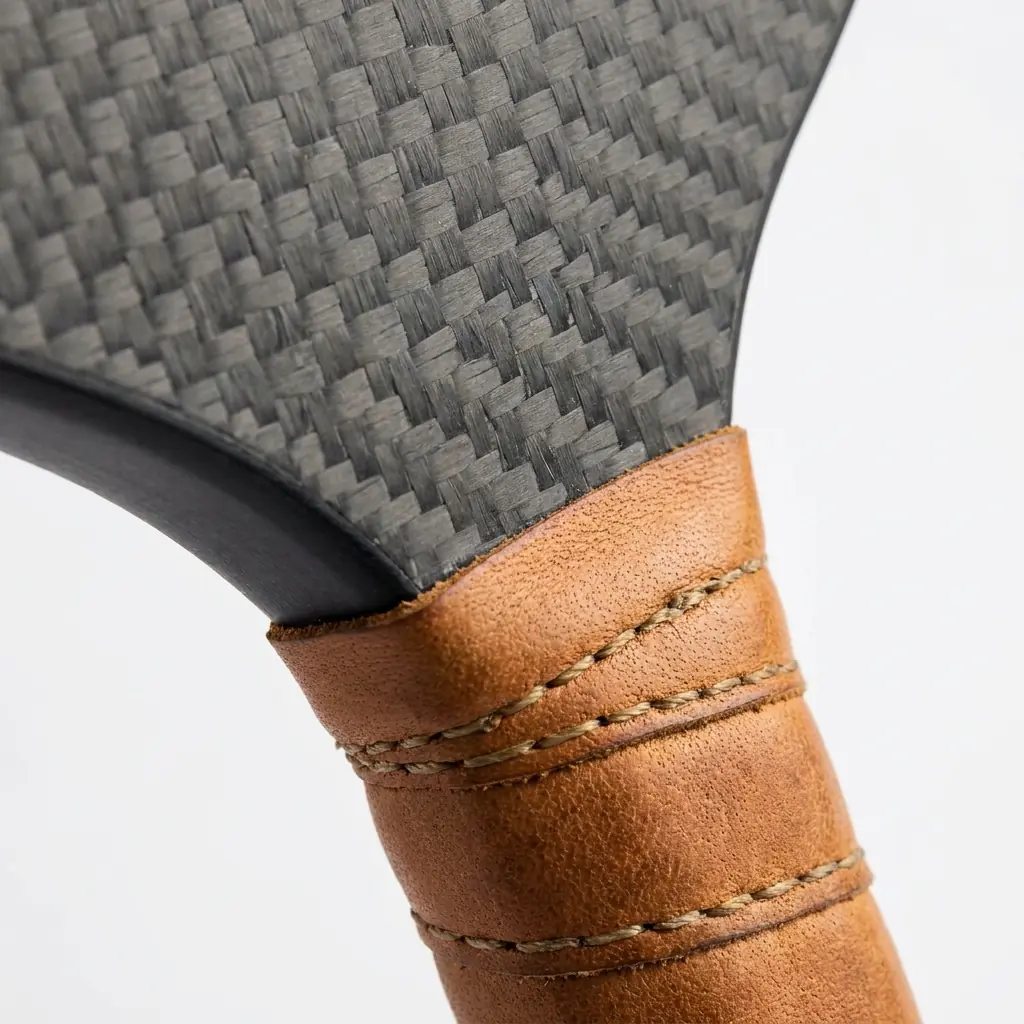
Paddle choice also plays a role: a thicker core generally dampens more vibration than a thin one, which is part of why control-oriented paddles are often more forgiving on the arm than stiff power paddles. See our carbon fiber vs fiberglass breakdown for how core thickness affects dwell time and vibration, and a fresh, tacky overgrip — see our overgrip guide — reduces how hard you need to squeeze in the first place. Some players also find light compression through the forearm helps with comfort during a session; our arm sleeve guide covers the compression options, though a sleeve addresses comfort, not the underlying grip or mechanics issue.
When to See a Doctor
Rest, ice, and the mechanical fixes above resolve mild cases for a lot of players. But this is general information, not medical advice: if pain persists beyond a couple of weeks, worsens, or limits grip strength for everyday tasks off the court, see a doctor or physical therapist rather than continuing to self-treat. Untreated tendon inflammation can become a much longer-term problem than a short break from the court.
Frequently Asked Questions
What causes pickleball elbow?
The leading cause isn't age or intensity — it's a paddle grip that's too small. An undersized grip forces you to squeeze harder, and that extra tension transfers vibration from every paddle-ball contact straight into the forearm tendon. Arm-only swings that skip shoulder rotation are the second major cause.
How do I know if my paddle grip is too small?
In a continental grip, you should be able to fit one finger between your fingertips and the heel of your palm. If you can't, your grip is likely too small.
Do compression sleeves help with pickleball elbow?
A graduated compression sleeve applies even pressure across the forearm, supporting blood flow and dampening some of the muscle vibration that would otherwise reach the tendon. It's a support tool, not a cure.
What is a counterforce brace and does it help?
A counterforce strap is a stiff band worn about two inches below the elbow crease that mechanically shifts the origin point of the forearm's extensor muscles, spreading out tension rather than concentrating it at the inflamed tendon. Many players use both a sleeve and a strap together.
When should I see a doctor for pickleball elbow?
If pain persists beyond a couple of weeks, worsens, or limits grip strength for everyday tasks off the court, see a doctor or physical therapist rather than continuing to self-treat. This is general information, not medical advice.