A ball machine solves the biggest bottleneck in solo practice: you can only drill as fast as someone can feed you balls. These five options span from a portable, duffel-bag-style launcher to a full-featured premium machine with adjustable spin and oscillation — all genuine, worthwhile investments if you're serious about getting reps outside of match play.
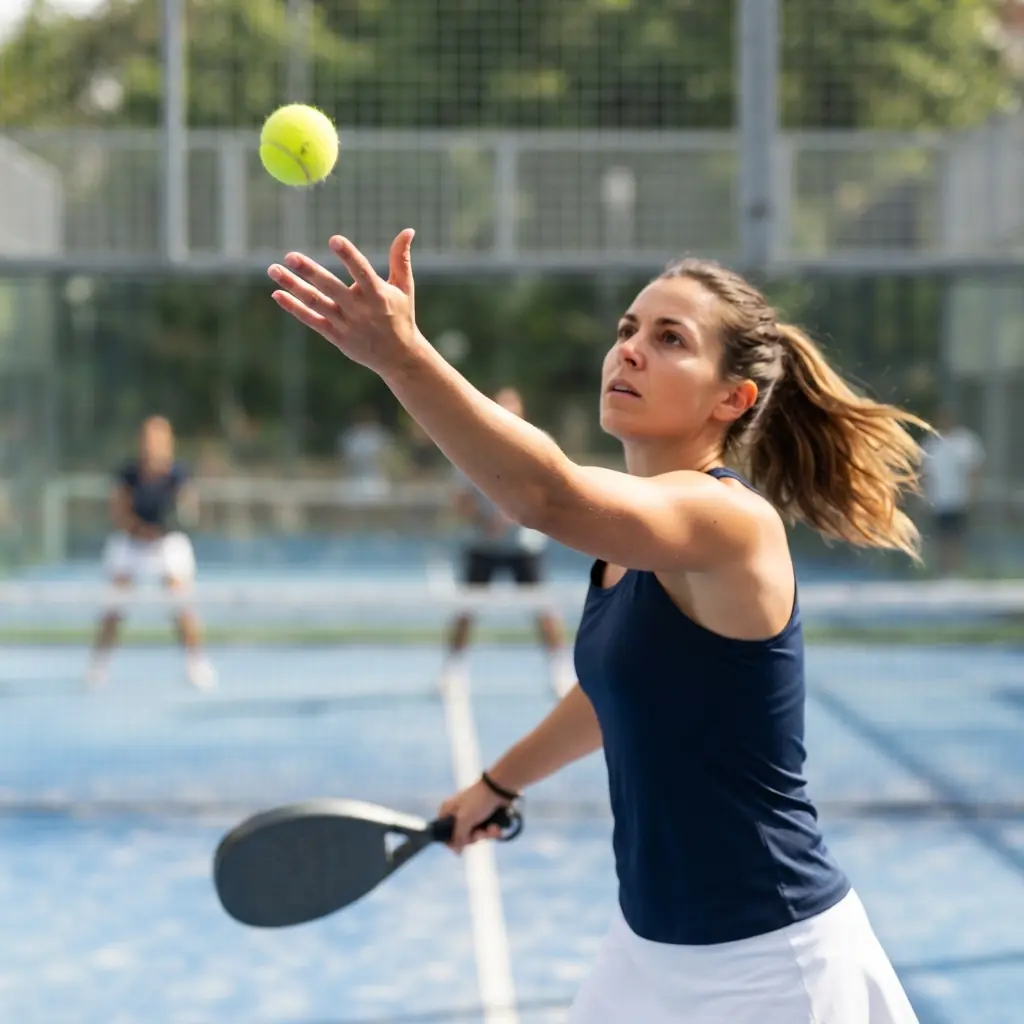
HIGH-VOLUME REPS
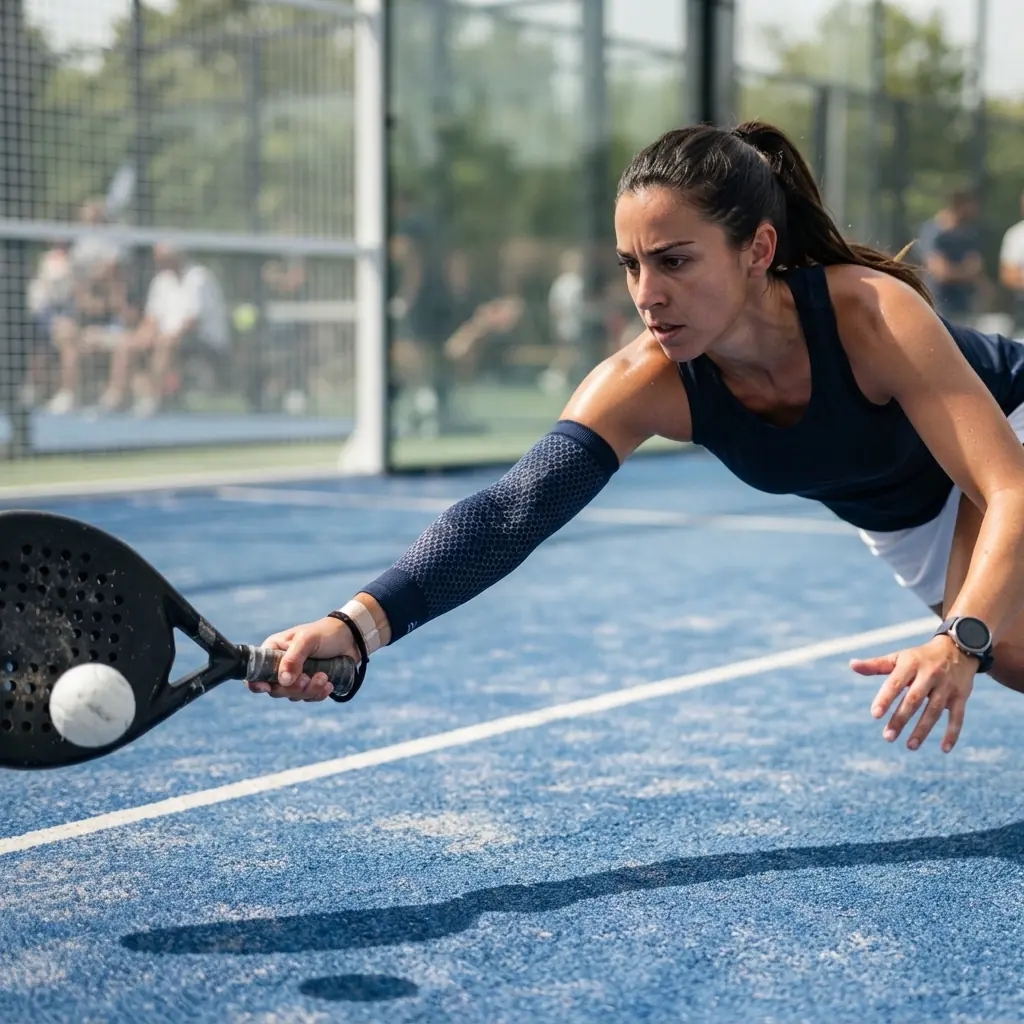
SHOT-SPECIFIC TRAINING
Why a Ball Machine Is Worth It
Consistent reps on a specific shot — the third shot drop, a return of serve, a specific dinking pattern — is genuinely hard to get from match play alone, where you might see a given situation only a handful of times per set. A ball machine removes the dependency on having a practice partner available and lets you drill one shot fifty times in a row if that's what you need.
Five Machines Worth Buying
Slinger Pickleball Machine — ~$899
The most portable option here by a wide margin, built into a roller duffel-bag-style case weighing about 42 lbs. Holds up to 120 balls (72 recommended for best performance), covers a 10–45 mph speed range, and can be set up in about a minute. The clear pick if portability and price both matter.
Slinger Pickleball Machine
~$899Portable duffel-style ball machine, 10–45 mph, up to 120-ball capacity
Pickleball Tutor Mini — Under $1,000
A compact, entry-level machine from one of the most established names in ball machines. The right pick if you want a dedicated machine rather than a portable launcher, without stepping up to the full-size premium tier yet.
Pickleball Tutor Mini
Under $1,000Compact entry-level ball machine from an established brand
Pickleball Tutor Plus — $1,199–$1,399
A full-size step up with variable speed from 10–65 mph, topspin and backspin control, and random oscillation. Frequently cited as offering the most intuitive spin controls in this price range, which matters more than raw speed once you're drilling specific shot types.
Pickleball Tutor Plus
$1,199–$1,39910–65 mph variable speed, topspin/backspin control, random oscillation
Lobster Pickle Two — ~$1,199–$1,749
Widely considered the premium gold standard: a 125–135-ball hopper, a 10–60 mph speed range, adjustable spin and oscillation, and a 10-function wireless remote. Pricing varies noticeably by retailer and configuration, so it's worth comparison shopping before buying.
Lobster Pickle Two
~$1,199–$1,749125–135-ball hopper, 10–60 mph, adjustable spin, wireless remote
Spinshot Player — ~$1,899–$2,199
The full-featured premium option here, positioned as a direct alternative to Lobster's top-tier machines with comparable spin and oscillation control. The right call if you want the most complete feature set and price isn't the deciding factor.
Spinshot Player
~$1,899–$2,199Full-featured premium ball machine, adjustable spin and oscillation
A ball machine doesn't replace match play — it replaces the fifty repetitions of one specific shot that match play never gives you enough of.
Comparison Table
| Machine | Speed Range | Best For | Price |
|---|---|---|---|
| Slinger Pickleball Machine | 10–45 mph | Portability & price | ~$899 |
| Pickleball Tutor Mini | Entry-level range | Compact dedicated machine | Under $1,000 |
| Pickleball Tutor Plus | 10–65 mph | Intuitive spin control | $1,199–$1,399 |
| Lobster Pickle Two | 10–60 mph | Premium gold standard | ~$1,199–$1,749 |
| Spinshot Player | Full premium range | Complete feature set | ~$1,899–$2,199 |
Prices pulled from manufacturer and retailer listings at the time of writing and vary significantly by retailer and configuration — confirm current price before buying.
What to Look For
Hopper size determines how long you can drill before reloading — a bigger hopper matters more than it sounds like it would once you're actually mid-session. Oscillation (whether the machine automatically varies the feed location) is what turns a machine from "repetitive drilling" into something closer to realistic point simulation. If you're specifically drilling touch shots like the dink, prioritize adjustable spin and a slow speed floor over top-end speed.
Verdict
If you're not sure a ball machine is worth the investment yet, the Slinger at ~$899 is the lowest-risk entry point that's still a genuinely capable machine, not a toy. Once you know you'll use it regularly, the Pickleball Tutor Plus or Lobster Pickle Two both deliver meaningfully more control for serious solo training. Pair whichever you choose with our third shot drop and dinking strategy guides to know exactly what to drill first.