Pickleball and padel get lumped together constantly — both are fast-growing racket sports with confusingly similar names, and both have exploded in the last few years. But they're genuinely different games with different equipment, different physical demands, and different growth patterns depending on where in the world you look.
ENCLOSED GLASS COURT
OPEN COURT, SMALLER FOOTPRINT
Court & Format
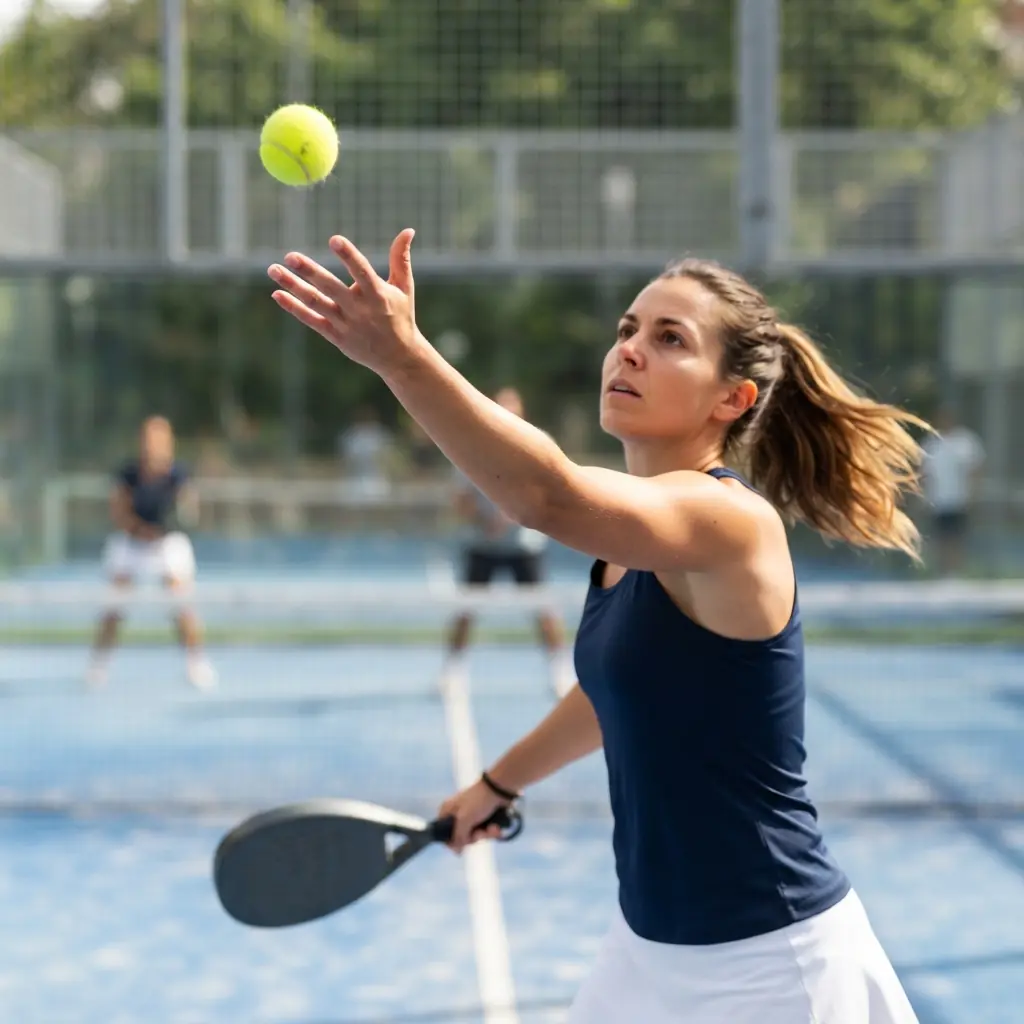
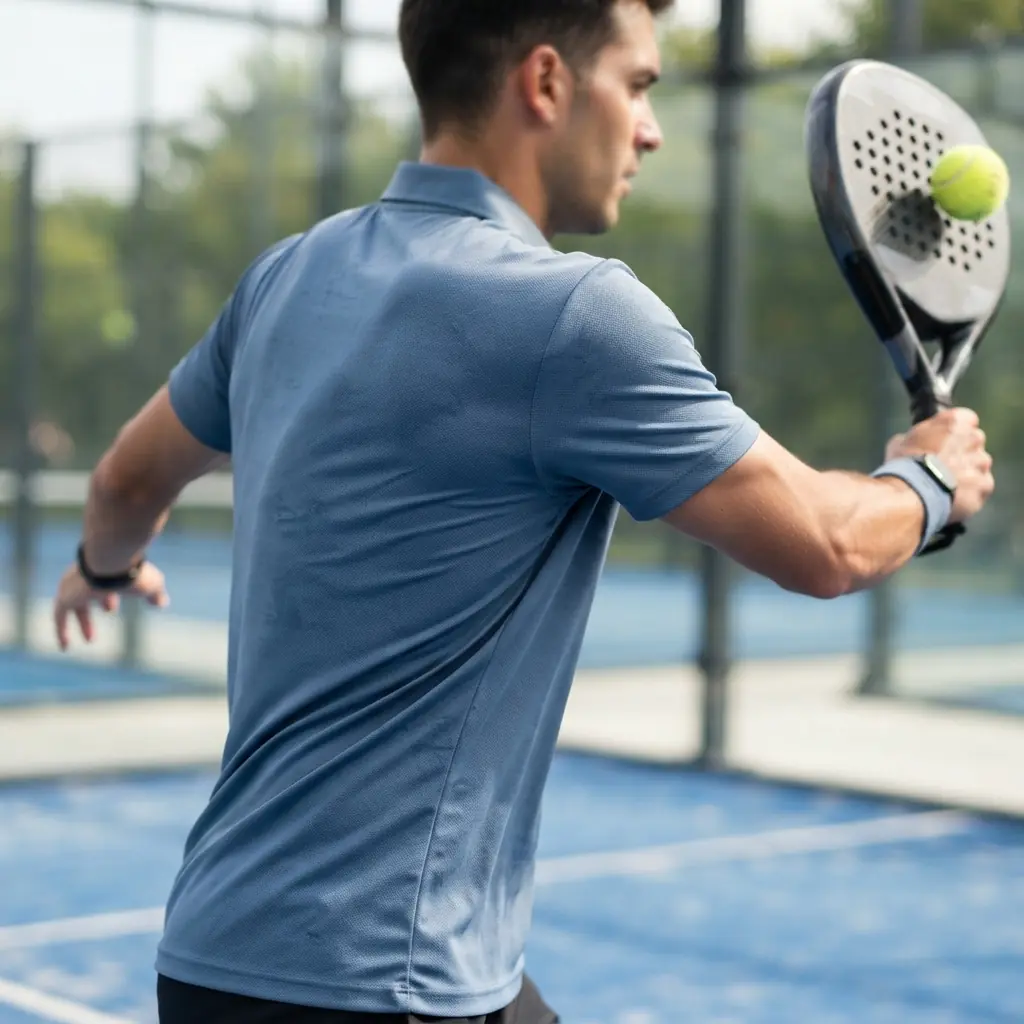
Padel is played on an enclosed court roughly 20 meters by 10 meters, surrounded by glass and mesh walls that are part of live play — the ball can be played off the walls, similar to squash. It's always doubles; there's no singles format. Pickleball, by comparison, uses a 20-by-44-foot open court — about 16.5% smaller than a padel court — with no walls in play, and can be played either singles or doubles.
Equipment: Solid Racket vs Perforated Paddle
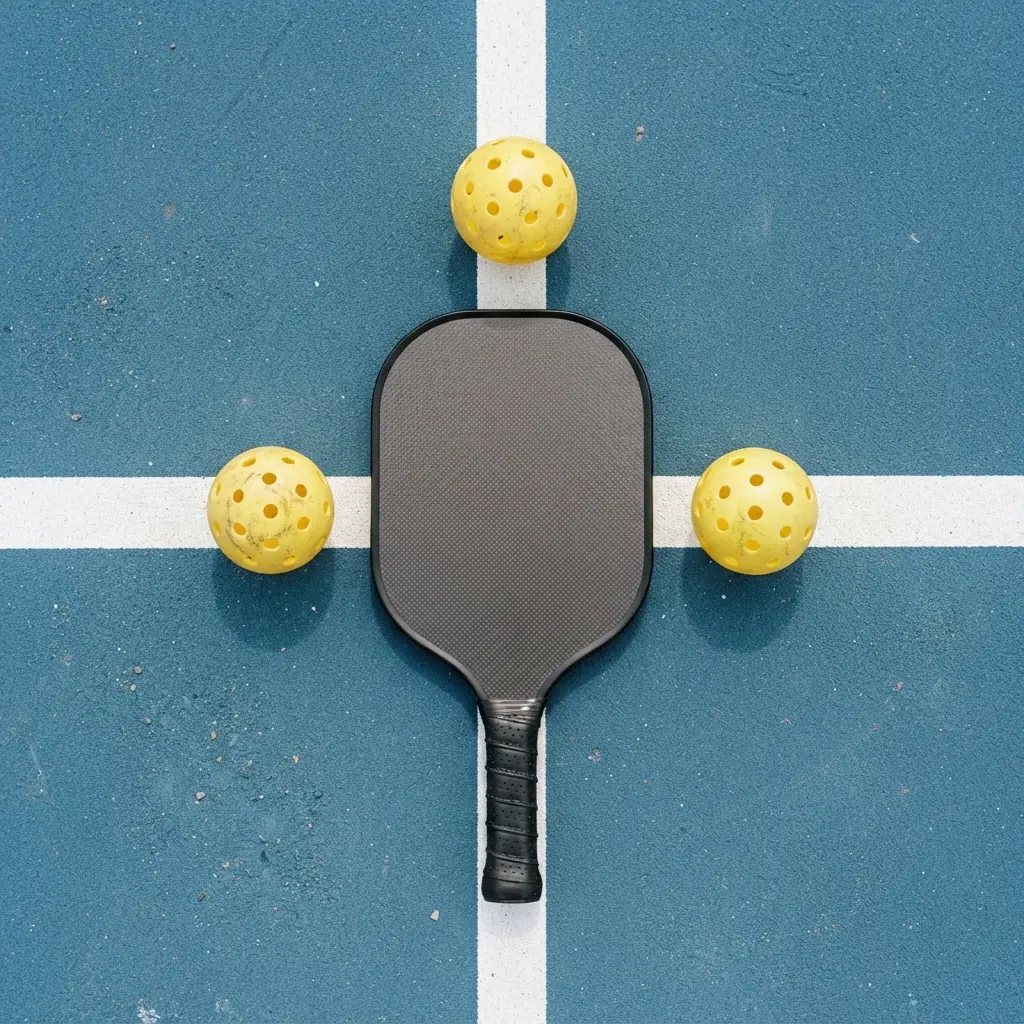
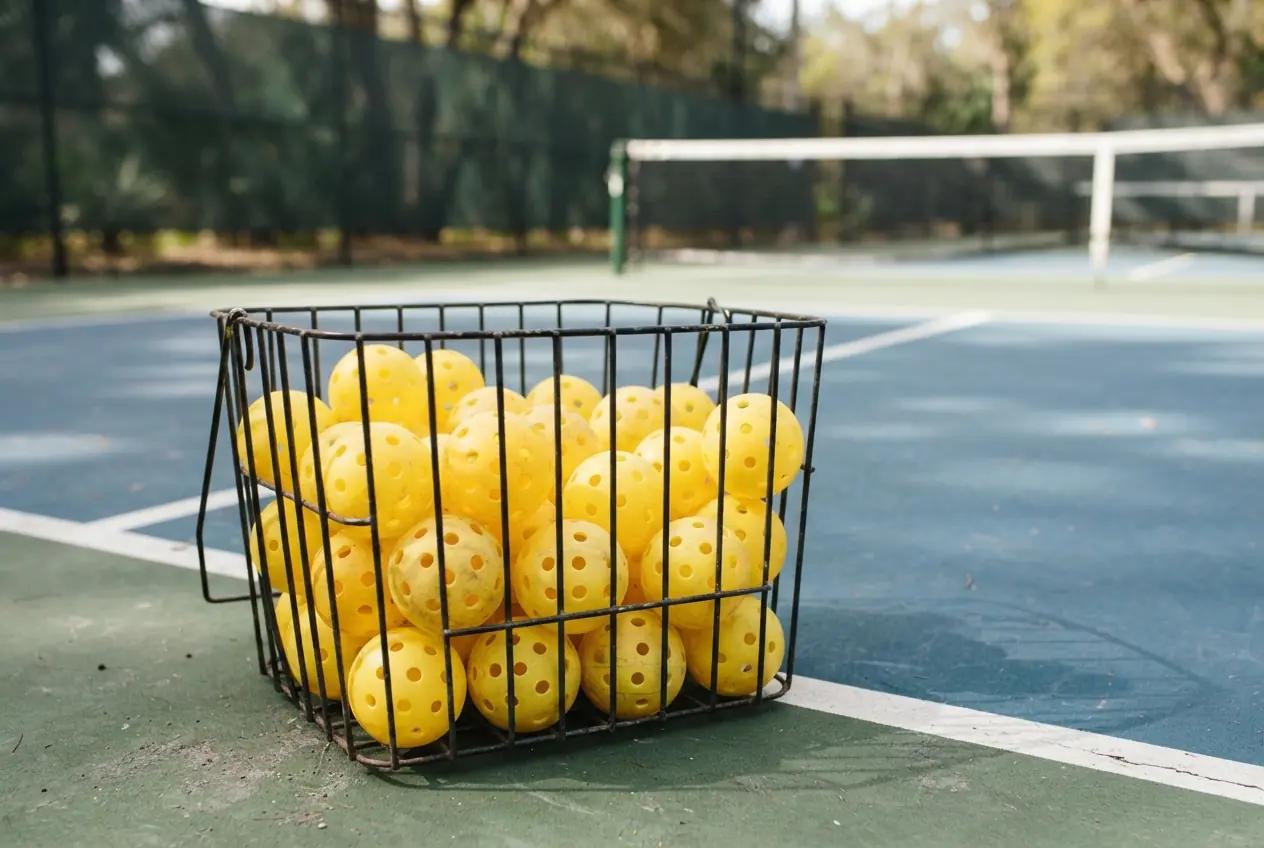
This is the clearest technical difference between the two sports. Padel rackets are solid-faced with no strings, typically built with a foam core and a perforated hitting surface for weight reduction rather than ball interaction. Pickleball paddles are also solid and stringless, but the ball itself is a hard perforated plastic ball, closer to a wiffle ball than padel's pressurized, felt-covered rubber ball — see our pickleball ball guide for how pickleball's hole pattern specifically affects flight.
Physical Demand
Padel is generally the more physically demanding sport overall. The larger court, faster ball off the walls, and extended rallies build more aerobic endurance and lateral coverage over a match. Pickleball's smaller court means less overall running, but it rewards quick reflexes, soft hands at the net, and precise shot placement — see our dinking strategy guide for how much of pickleball is decided in a small area right at the net, which has no real padel equivalent given padel's wall-rebound format.
Padel will get you more aerobic mileage over a match; pickleball will test your reflexes and touch in a much smaller space. Neither is objectively harder — they're testing different things.
Where Each Sport Is Actually Growing
Both sports are genuinely booming, but the geography differs. Pickleball's growth is heavily US-driven, with participation projected to reach roughly 28 million players by the end of 2026 and courts nationally expected to exceed 20,000. Padel's growth is more global: more than 35 million players across upwards of 150 countries, with over 77,000 padel courts worldwide and more than 14,000 built in 2025 alone — concentrated especially in Spain, Latin America, and increasingly the UK. Despite the overlap in name and format, search and participation data suggest the two sports coexist and share crossover players rather than directly competing for the same audience.
If You Want to Try Padel
A beginner padel racket runs meaningfully cheaper than a premium pickleball paddle — the right range for a first racket is roughly $60–140, and going straight for a $200+ pro-level racket won't make you better faster since those are built around advanced technique. Look for a round shape, a soft core, and a large sweet spot, all of which are far more forgiving than the diamond-shaped, stiff rackets built for advanced players.
Babolat Contact Padel Racket
~$59Vibrasorb tech kills vibration, wide forgiving sweet spot
Head Flash Padel Racket
~$60–100Round shape, soft EVA foam core, large forgiving sweet spot
Which Should You Try First?
If you want a sport that's easy to pick up in an afternoon, has a huge and growing number of nearby US courts, and rewards touch over raw athleticism, start with pickleball — see our beginner gear guide for exactly what you need. If you have access to a padel club near you and want a more athletically demanding, longer-rally game with a strong social-doubles culture, padel is genuinely worth trying too. Plenty of players end up doing both.
Frequently Asked Questions
What is the main difference between pickleball and padel?
Padel is played on an enclosed glass court roughly 20m by 10m, always doubles, with a solid stringless racket and a pressurized rubber ball. Pickleball uses a smaller, open 20-by-44-foot court, can be singles or doubles, and uses a perforated plastic paddle and ball.
Is padel or pickleball more physically demanding?
Padel is generally the more physically demanding sport overall — the larger court, faster ball off the walls, and extended rallies build more aerobic endurance. Pickleball's smaller court means less running but rewards quick reflexes and precise positioning.
Which sport is growing faster, pickleball or padel?
Pickleball's growth is heavily US-driven, projected to reach roughly 28 million US players by the end of 2026. Padel's growth is more global, with over 35 million players across 150+ countries, concentrated in Europe and Latin America.
Can I use a pickleball paddle for padel or vice versa?
No. Padel rackets are solid-faced foam-core rackets built for a pressurized rubber ball, while pickleball paddles are built for a hard perforated plastic ball — the equipment isn't interchangeable between the two sports.
How much does it cost to start playing padel?
A beginner padel racket runs roughly $60–140. Going straight for a $200+ pro-level racket won't make you better faster since those are built around advanced technique — look for a round shape, soft core, and large sweet spot instead.