Every pickleball paddle buying decision eventually comes down to one question: what's the face actually made of? Material changes how a paddle feels more than almost any other spec. Here's an honest breakdown of the four categories that matter today, with a dedicated, ranked buying guide linked for each.
CONTROL-FIRST
POWER-FIRST
Carbon Fiber
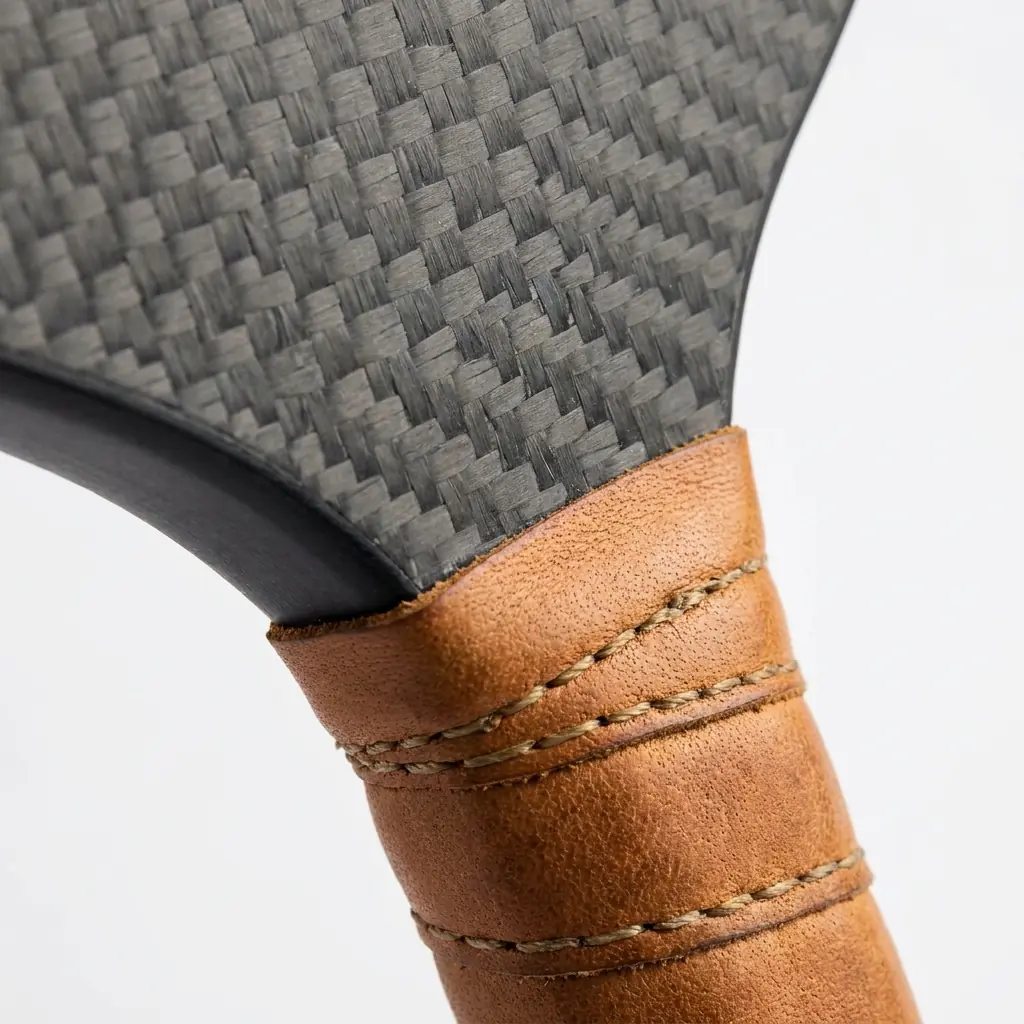
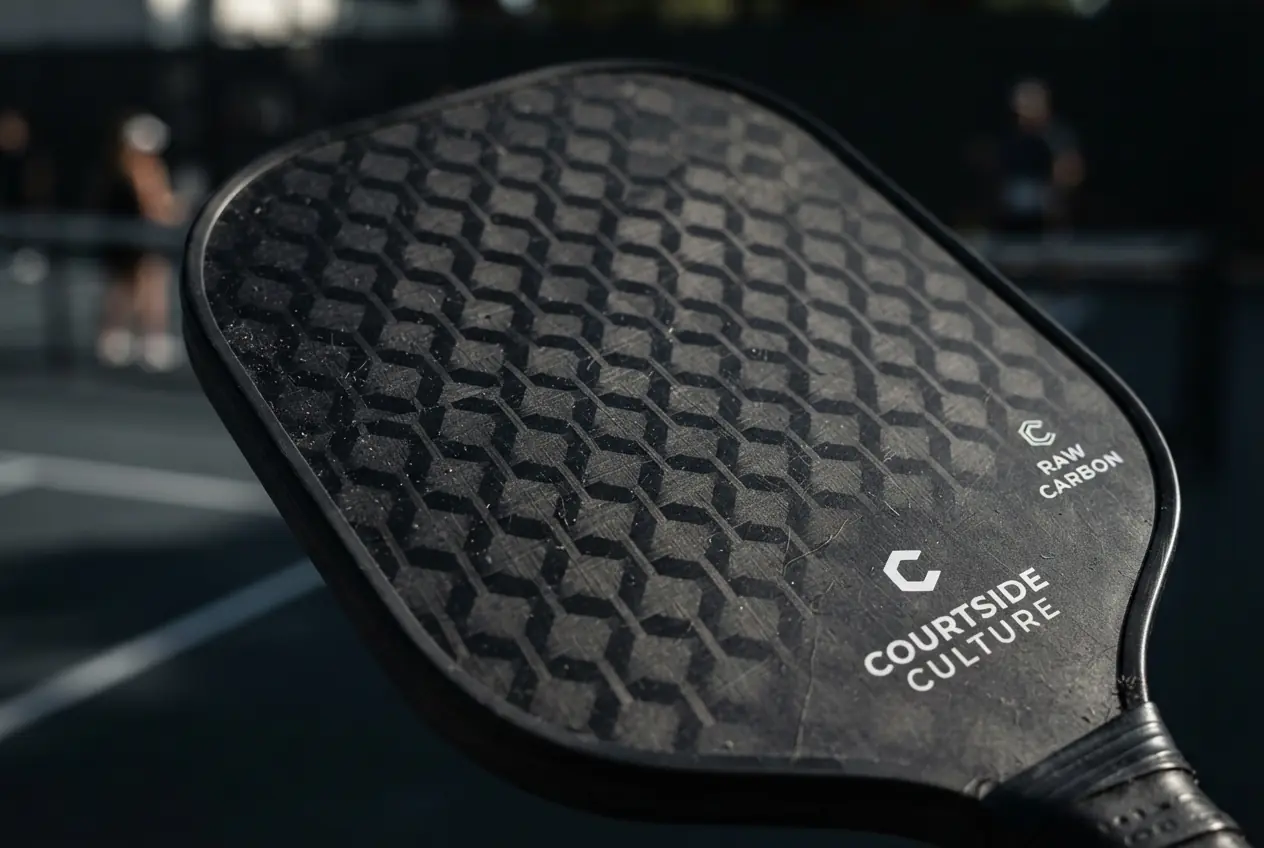
Raw carbon fiber faces are stiff and transfer energy efficiently, which is why they've become the default choice on most tournament-level paddles. That stiffness rewards precise, controlled contact and generates strong spin, but it's less forgiving on off-center hits than a softer fiberglass face. Carbon paddles range from around $99.99 at the budget end to $300 for flagship models.
See our full engineering breakdown of why raw carbon behaves this way, or jump straight to our 5 best carbon fiber paddles if you already know this is your material.
Carbon fiber didn't become the default tournament face because it's more expensive to make — it became the default because stiffness and control are what wins points at the highest level.
Fiberglass (Composite)
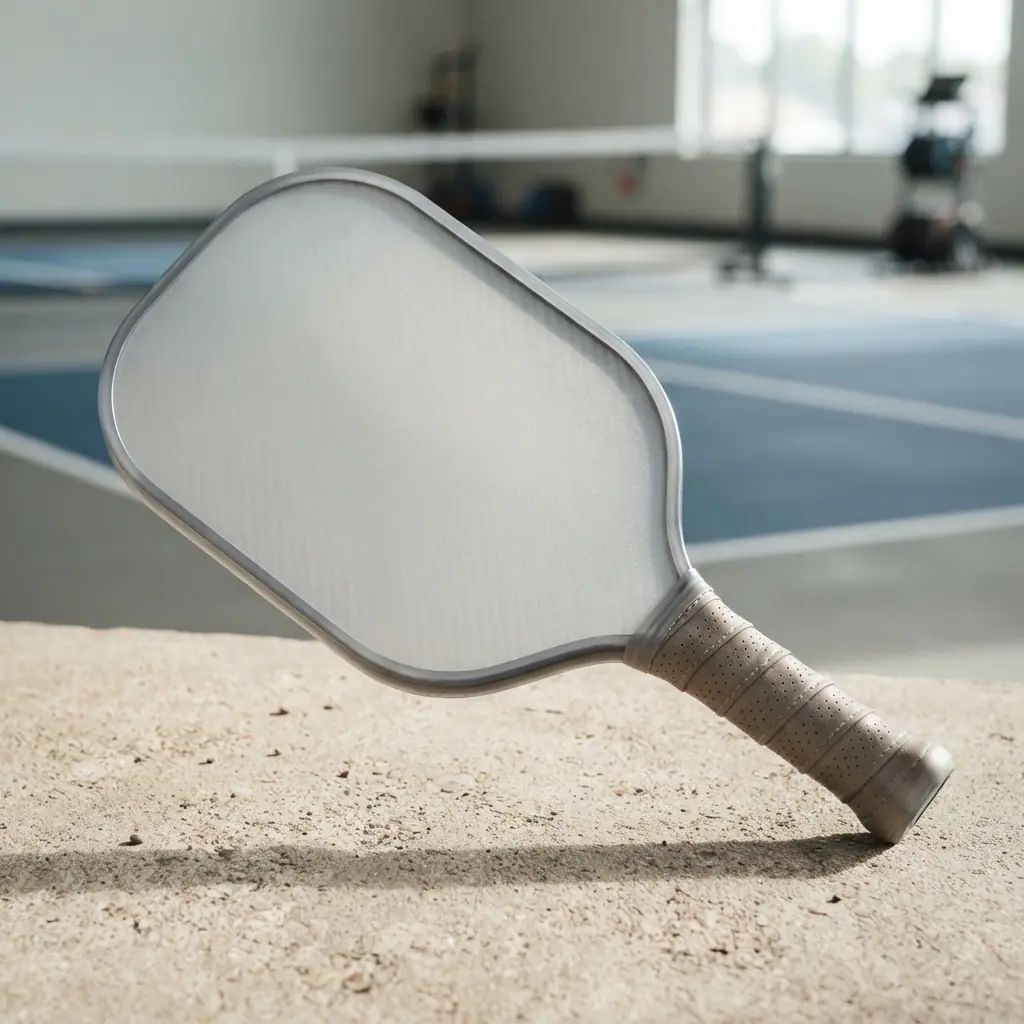
Fiberglass faces flex more on contact, creating a trampoline-like pop that favors power hitters and drivers. That same flex tends to make fiberglass paddles more forgiving on mishits than a stiff carbon face, and generally more affordable — most fiberglass paddles land between $60 and $160. The tradeoff is durability: the flex that creates pop is also associated with faster fatigue over time, especially with high-volume outdoor play on abrasive surfaces.
See our 5 best fiberglass paddles for current picks across that price range.
Hybrid
Hybrid paddles blend carbon fiber and fiberglass in the same face, aiming for a middle ground: more pop and forgiveness than pure carbon, more control than pure fiberglass. It's become one of the fastest-growing categories precisely because it doesn't force players to fully commit to one playstyle. Hybrid paddles span a wide range, roughly $80 to $250 depending on brand and construction.
See our 5 best hybrid paddles for current picks.
Wood & Recreational
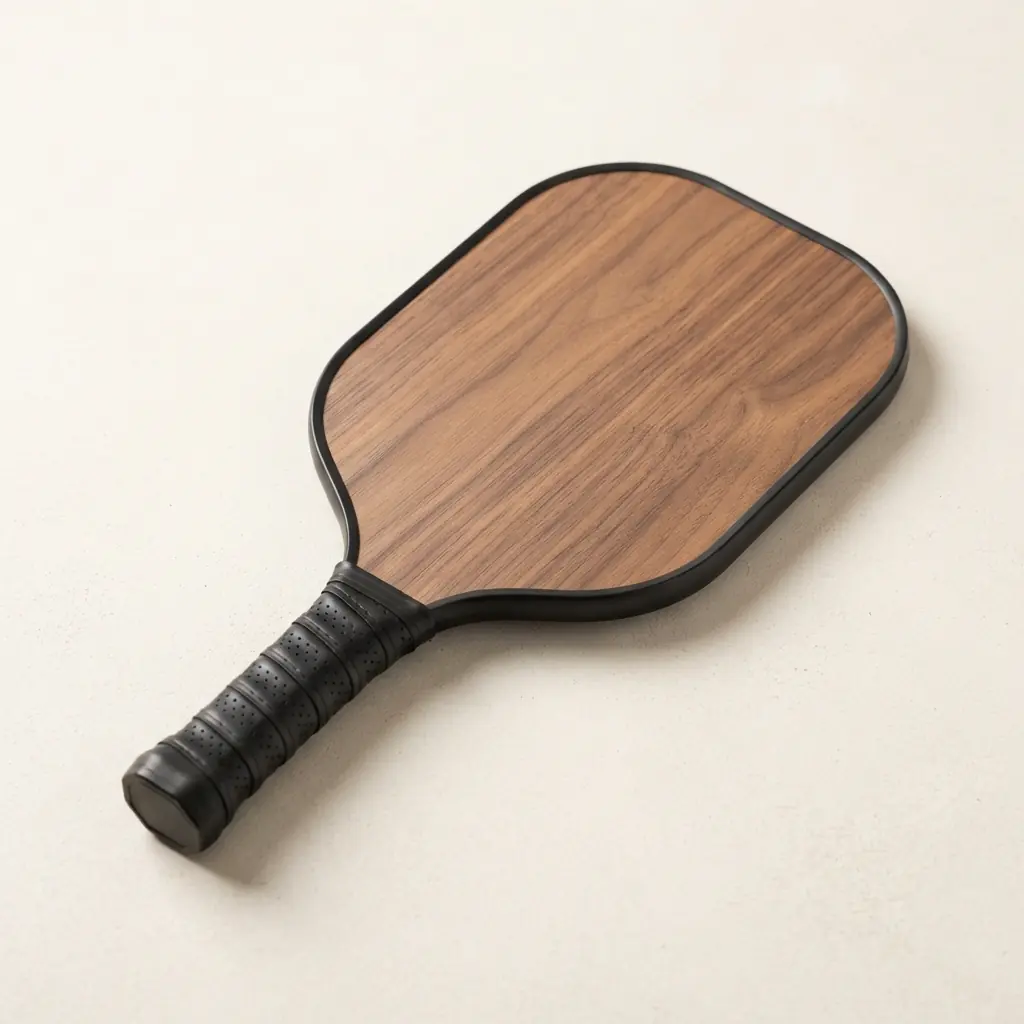
Wood paddles were the sport's original material and are now almost entirely a budget and backyard category rather than a competitive one — multi-ply wood construction is heavier and less responsive than any modern composite face. That's not a knock on them: for casual family play, a wood paddle-and-ball set is a genuinely reasonable, inexpensive way to try the sport before investing in anything more serious. See our wood & recreational paddle picks for real current options.
What About "Graphite"?
You'll still see "graphite" paddles in search results and older product listings. In today's market, graphite-labeled paddles are almost always thin carbon-fiber weaves marketed under the older industry term rather than a distinct third material — it's largely a naming holdover rather than a meaningfully different category from carbon fiber above. If a listing specifically says "graphite face," treat it functionally the same as a lighter carbon fiber paddle rather than assuming it's something else entirely.
Which One Should You Buy?
If you don't yet know your playstyle, a hybrid is the safest starting point precisely because it doesn't force the choice. If you already know you favor touch and spin at the net, go carbon. If you favor driving through the ball, go fiberglass. And if you're not sure this sport is a long-term habit yet, a wood set is a legitimate, low-cost way to find out — see our beginner gear guide for everything else you'll need alongside it. Whichever material you land on, confirm your grip size and weight preference before buying — the right material in the wrong grip size still plays poorly. Material is also a separate decision from shape — once you've picked a face, our elongated paddle guide covers the reach-focused shape category that cuts across all four materials above.