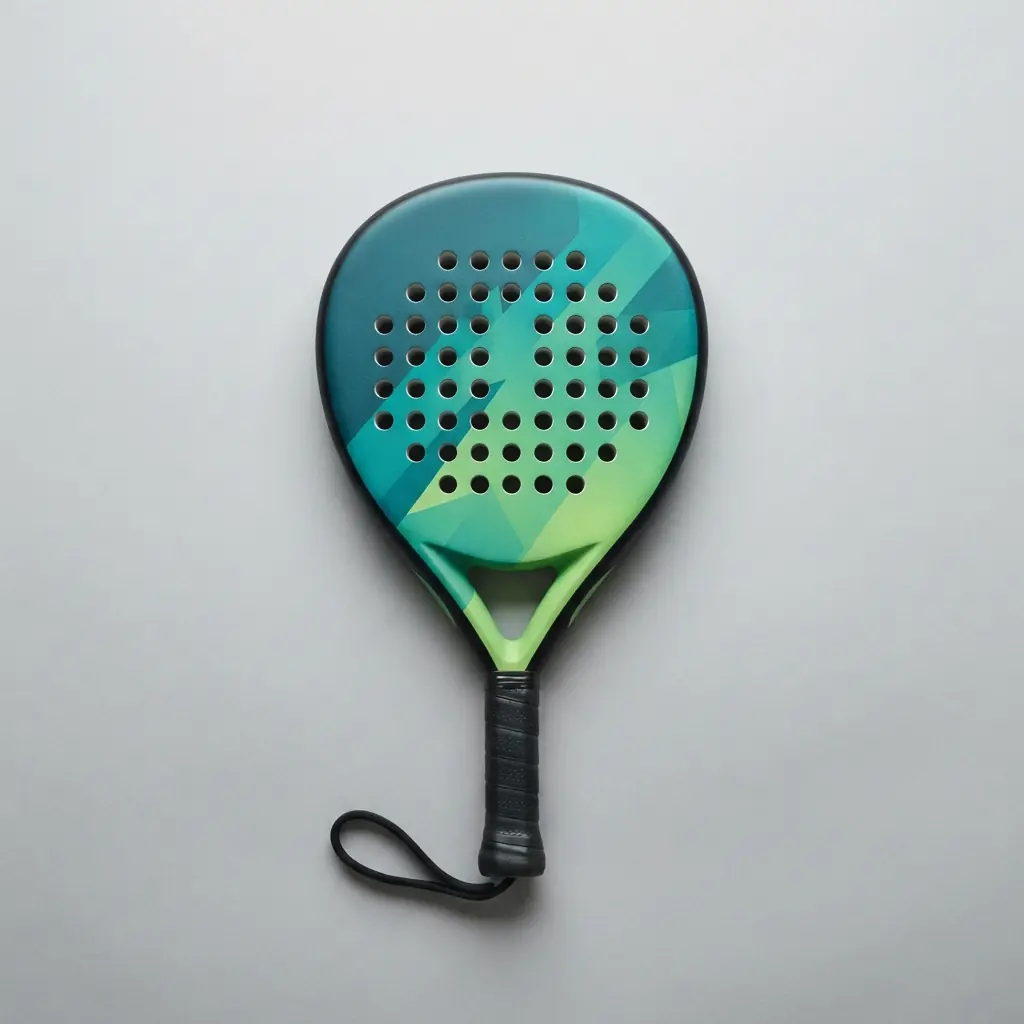
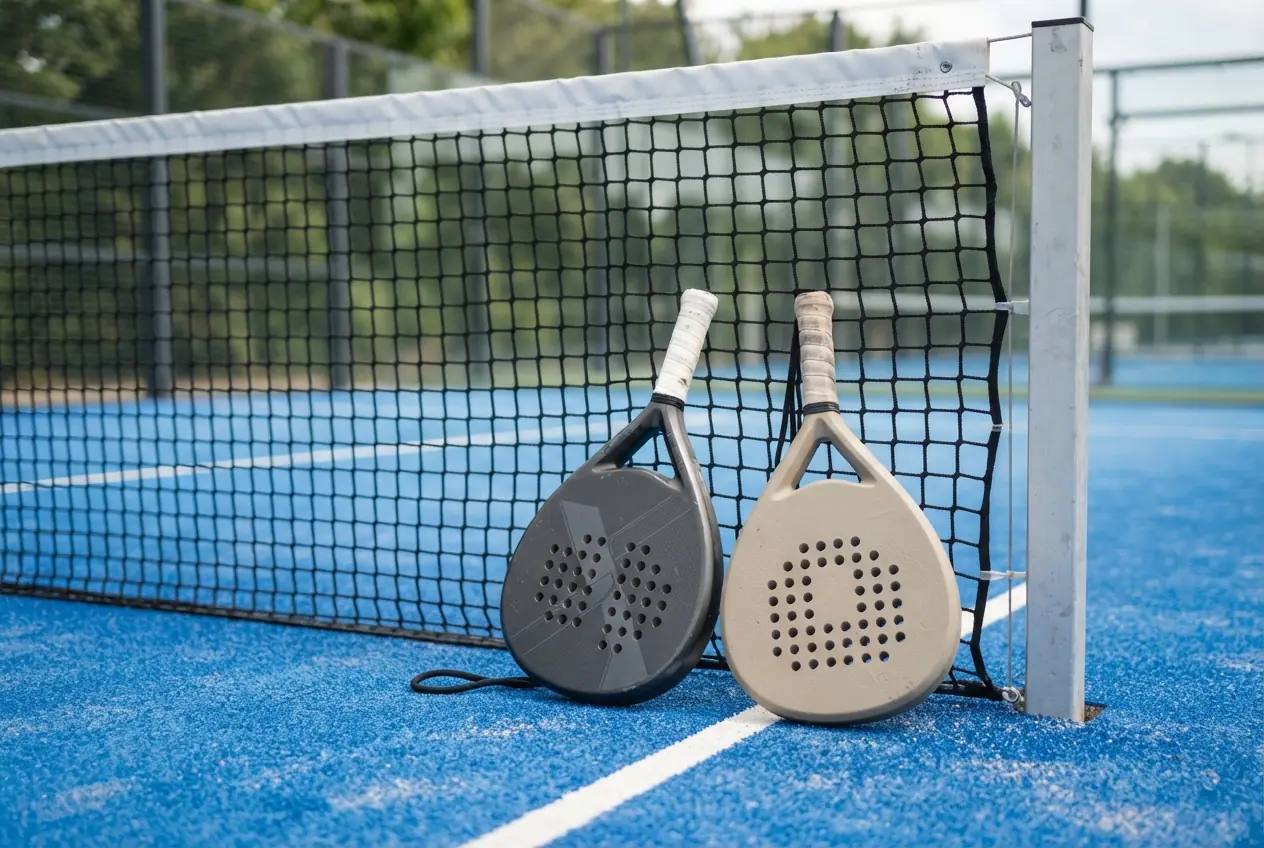
Ask five padel players what racket to buy and most will start with the shape, not the brand. That's the right instinct — shape decides where the sweet spot sits and how much a mishit costs you, more than any other single spec. Here's what actually changes between round, teardrop and diamond, and which one fits your game.
ROUND: WIDE SWEET SPOT
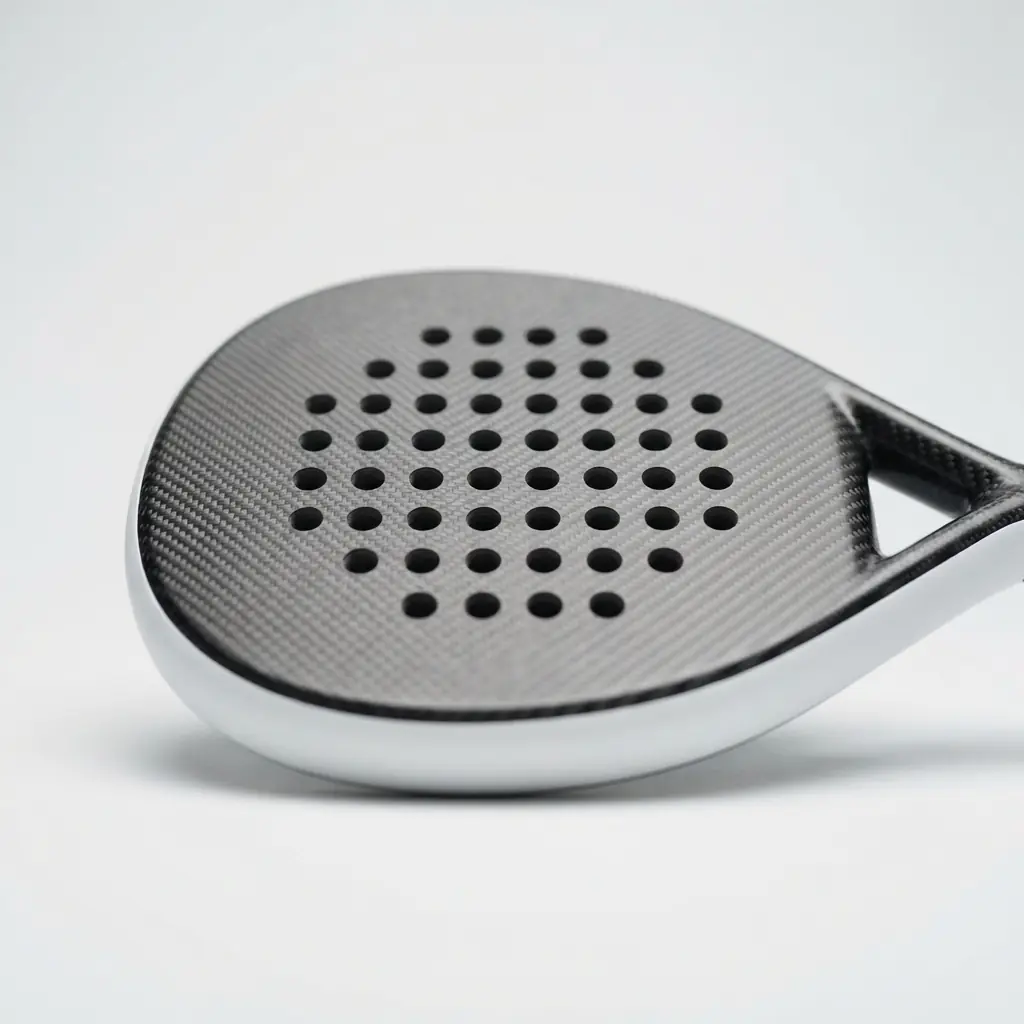
DIAMOND: SMALL, HIGH SWEET SPOT
Round: Maximum Forgiveness
A round racket centers its sweet spot low and wide across the face, which is exactly why it's the shape almost every coach and retailer recommends for a first racket. That wide, centered sweet spot means an off-center hit still returns a usable shot, rather than a mishit that dies or sails long. Round rackets also tend to pair with softer, more flexible cores, compounding the forgiveness. The tradeoff is capped power — you won't out-hit a diamond racket on a clean smash with a round one, but you'll mishit far less often while you're still building a consistent swing.
Babolat Contact Padel Racket
~$59Round shape, soft core, huge forgiving sweet spot
Teardrop: The Hybrid Middle Ground
Teardrop rackets shift the sweet spot slightly higher and narrower than round, without pushing all the way to diamond's small, top-loaded zone. That makes it a genuine hybrid rather than a compromise — players get more power potential than round without losing as much forgiveness as diamond costs. This is the shape most intermediate-to-advanced players graduate into once their swing is consistent enough to reliably find a slightly smaller sweet spot.
Wilson Bela V3 Padel Racket
~$310Teardrop hybrid shape, co-designed with Fernando Belasteguín for attacking play
Shape isn't a style preference the way paddle color is — it's an engineering tradeoff between how much power a clean hit can generate and how much a mishit costs you.
Diamond: Maximum Power, Minimum Margin
Diamond rackets push the sweet spot toward the top of the face, which is precisely what makes them the most powerful shape on a clean, well-timed hit — and the least forgiving shape on anything else. Diamond rackets also typically pair with denser, stiffer cores to further maximize power transfer. This is a specialist's shape: it rewards players who already have a repeatable, well-timed swing, and punishes anyone still finding their contact point far more than round or teardrop would.
Wilson Bela Pro V3 Padel Racket
~$399Diamond shape, high-density foam core, 24K carbon face, tour-level power
Core and Face Material Matter Too
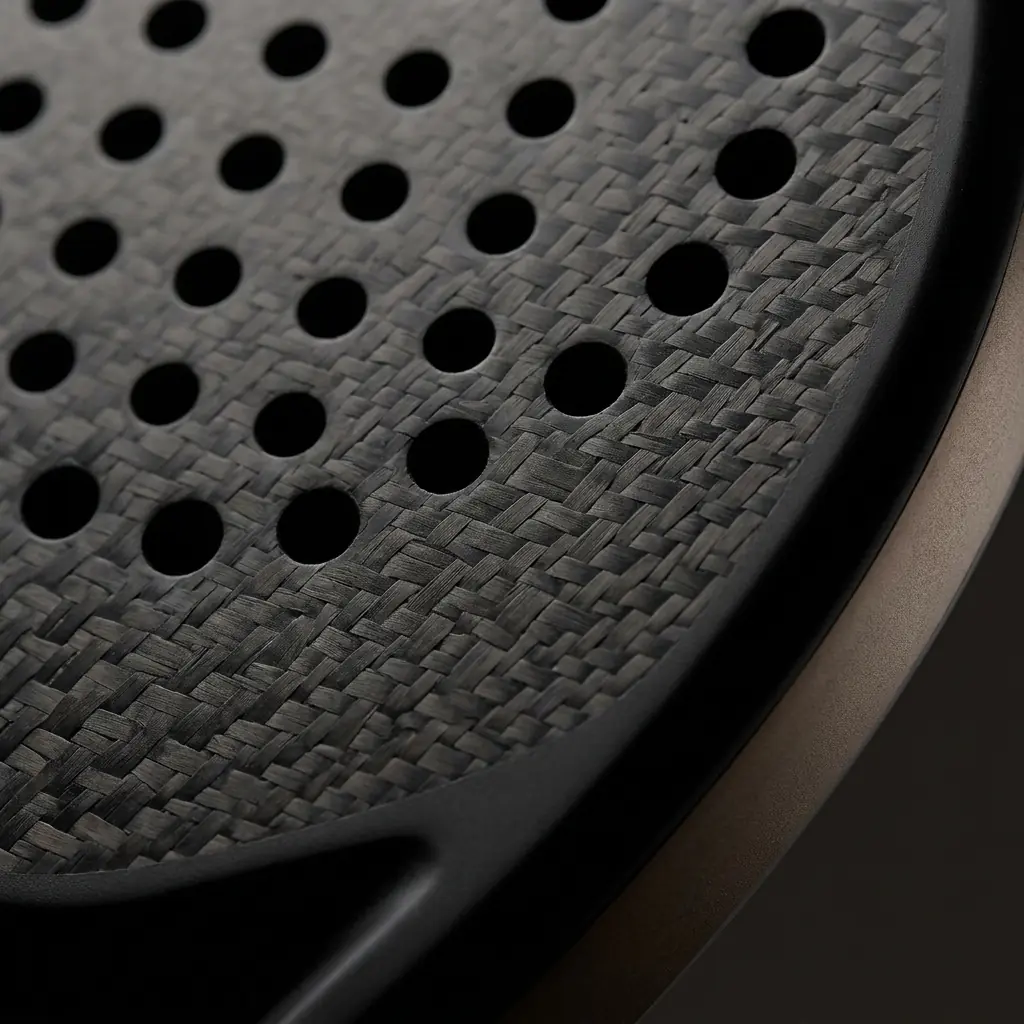
Shape sets the sweet spot's location; core and face material set how the racket feels and responds once you're in it. Padel racket cores are generally either a softer EVA foam — more common on round, control-oriented rackets — or a denser foam, more common on diamond, power-oriented rackets. Face material runs the same carbon-vs-fiberglass tradeoff already well established in pickleball paddles: fiberglass flexes more and feels softer and more forgiving, while carbon fiber is stiffer and transfers energy more directly, favoring control and power over comfort. See our carbon fiber vs fiberglass explainer for the underlying material science, which applies directly to padel racket faces too.
Which Shape Should You Buy
Start round if you're new to padel, full stop — the forgiveness matters more than the power ceiling while you're still learning to consistently find the sweet spot. Move to teardrop once your swing is repeatable and you want more pace without giving up too much margin for error. Only reach for diamond once you're already finding the sweet spot consistently on a teardrop or round racket — jumping straight to diamond as a first racket will cost you more in mishits than it gains you in power. For weight and balance on top of shape, see our padel racket weight and balance guide, and for the full lineup across price points, our padel rackets buying guide.
Frequently Asked Questions
What's the most forgiving padel racket shape?
Round. It centers the sweet spot low and wide across the face, which is why it's the standard recommendation for beginners and anyone still developing consistent contact.
What shape is best for power?
Diamond. Moving the sweet spot toward the top of the face lets a clean, well-timed hit generate more power, at the cost of punishing mishits more than any other shape.
Is teardrop a good first racket?
Not usually. Teardrop is genuinely a hybrid, but that middle-ground design is most valuable once you already have a consistent swing to build on — most players are better served starting round.
Does racket shape matter more than weight or material?
For a first racket, yes. Shape determines forgiveness and where the sweet spot sits, which affects nearly every shot. Weight and face material matter, but they're refinements on top of the right shape, not a substitute for it.