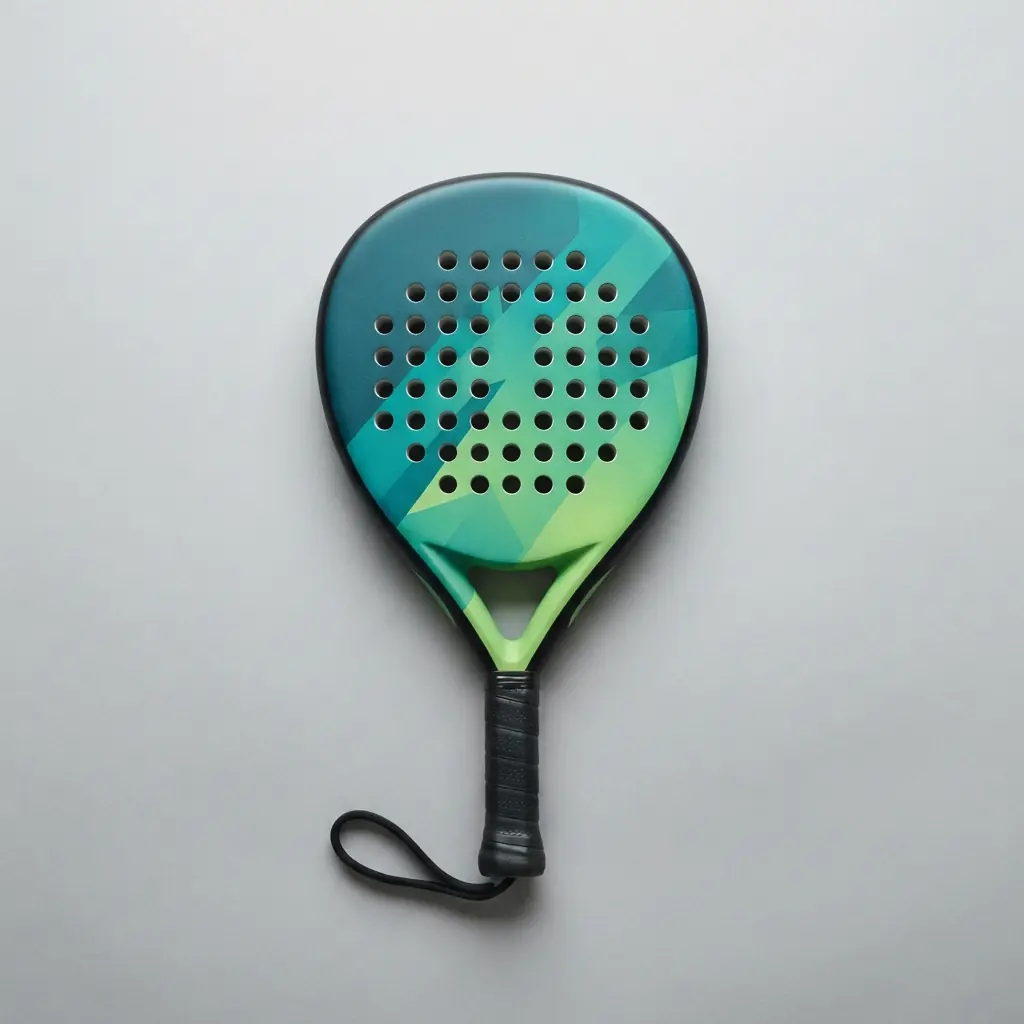
Shape gets most of the attention in padel racket buying advice, but the foam core underneath the face does just as much work in how a racket actually feels on contact. Here's the real difference between the two core materials, and how to identify which one a specific racket uses.
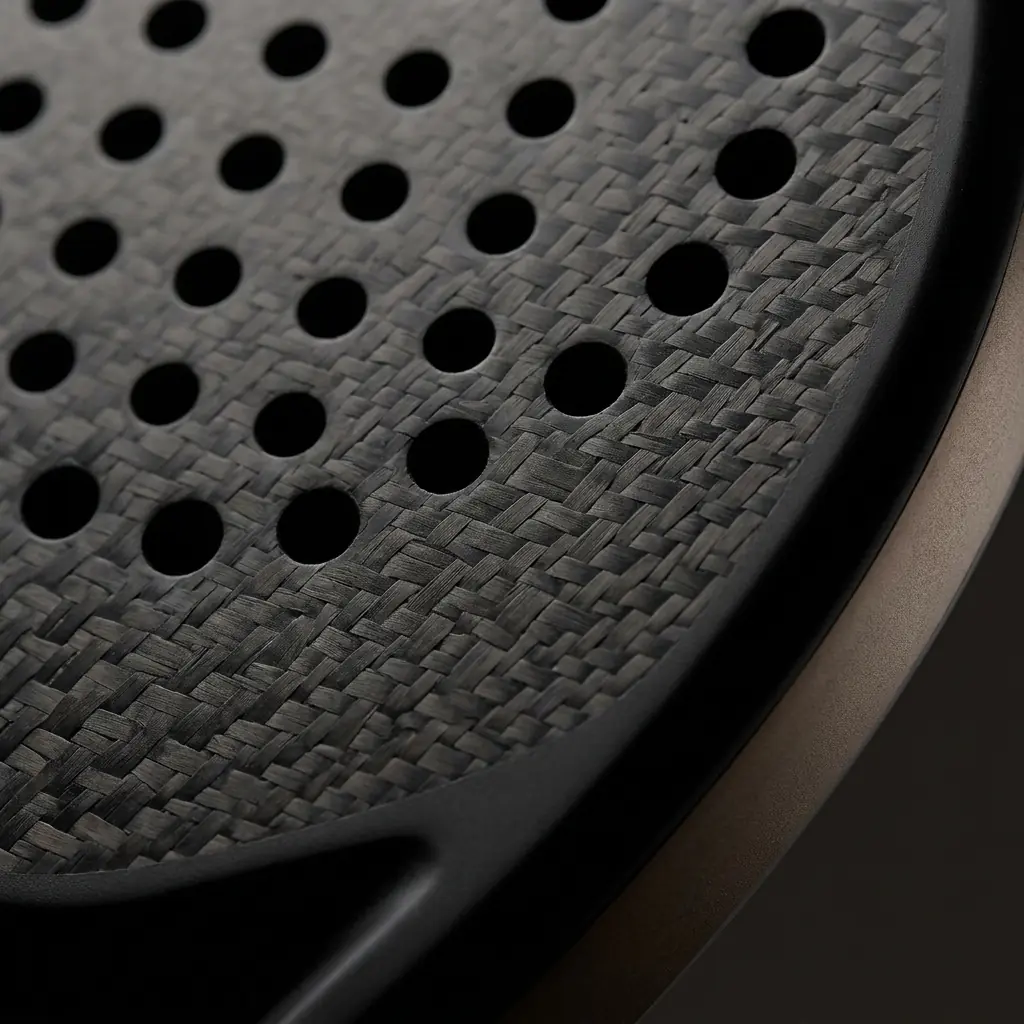
EVA — SOFTER, MORE GIVE
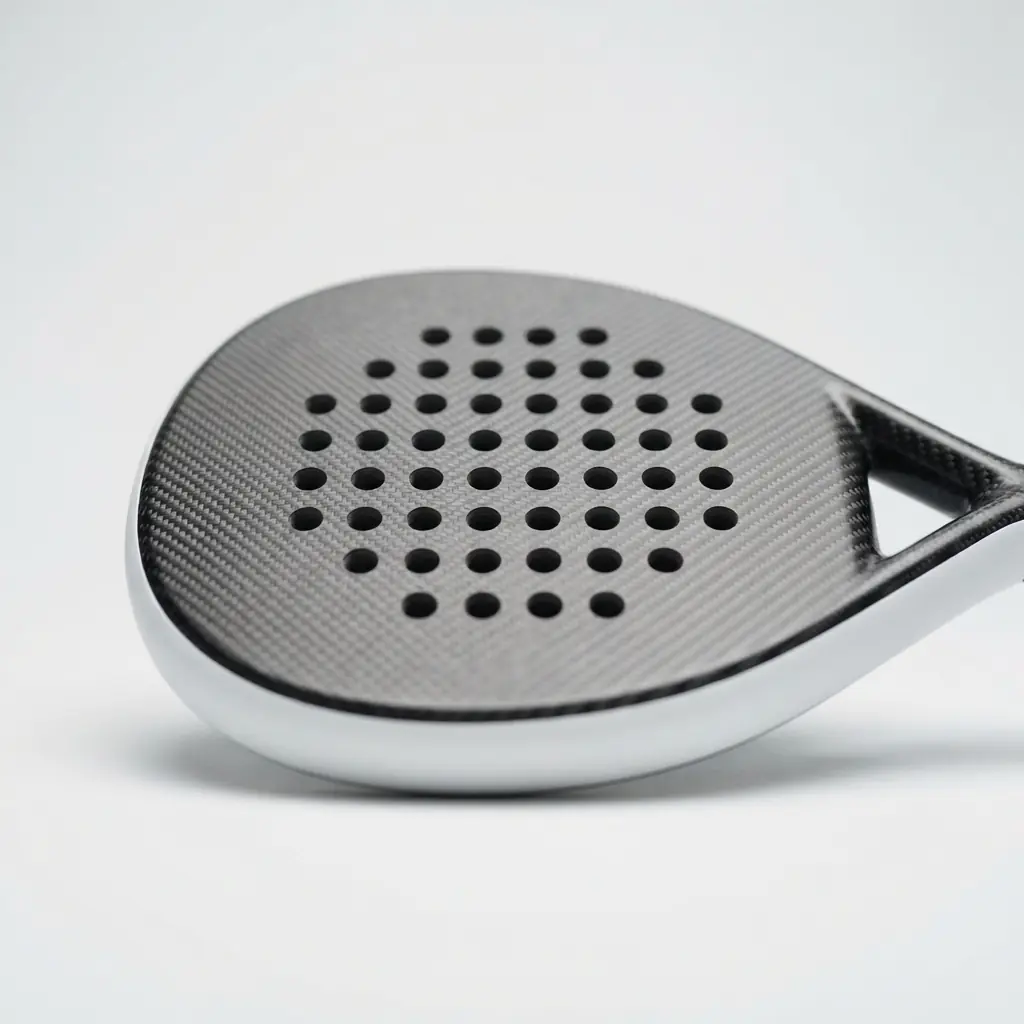
HIGH-DENSITY FOAM — FIRMER
EVA Foam: Softer, More Forgiving
EVA (ethylene-vinyl acetate) foam is the softer, more flexible of the two core materials, and it's the default choice on most round, beginner-oriented rackets covered in our racket shapes guide. Because it compresses more on contact, EVA cores absorb more of the ball's impact energy rather than returning all of it directly — which is exactly why EVA-cored rackets feel more comfortable and forgiving, particularly on off-center hits. The tradeoff is straightforward: that same compression that adds comfort also caps how much raw power the racket can generate compared to a firmer core.
High-Density Foam: Firmer, More Power
Higher-density foam cores compress less on contact, which means more of the ball's impact energy transfers directly back into the return shot rather than being absorbed. This is the default core on diamond-shaped, power-oriented rackets like the Wilson Bela Pro V3 covered in our premium rackets guide. The real cost is comfort and forgiveness — a firmer core transmits more shock into the arm on off-center hits, which ties directly into the mechanics covered in our padel elbow guide.
A softer core doesn't just feel different — it's genuinely absorbing more of the ball's energy instead of returning it, which is the actual mechanism behind why EVA-cored rackets feel more forgiving.
Why Temperature Actually Changes How a Core Feels
Foam cores are genuinely temperature-sensitive, which is worth knowing if you play both indoors and outdoors, or across seasons. Cold conditions stiffen a foam core, reducing its natural give and making even an EVA-cored racket feel firmer than it does in warm weather. Heat has the opposite effect, softening the core and increasing give. This is a real physical property of the material, not a placebo — if a racket feels noticeably different in a cold outdoor session compared to a warm indoor club, the core's actual firmness has changed, not just your perception of it.
How to Spot Which Core a Racket Uses
Manufacturer spec sheets almost always list the core material directly — look for "EVA" or "EVA foam" versus "high-density foam," "Foam," or a brand-specific density-focused name. As a rough shortcut, shape is a reasonable proxy when the spec sheet is unclear: round rackets default to EVA far more often than not, while diamond rackets default to high-density foam. Teardrop rackets, being a genuine hybrid shape, split more evenly between the two depending on the specific model and brand.
Which Core Should You Choose
If you're newer to padel or dealing with any elbow, wrist or shoulder discomfort, an EVA core is the safer starting point — the added comfort and forgiveness matter more than the power ceiling while you're still building a consistent swing. More advanced players who already generate their own racket speed and want maximum power transfer on clean contact can reasonably move to a high-density foam core, typically paired with a diamond shape.
Babolat Contact Padel Racket
~$59Round shape, soft EVA core, a genuine example of the comfort-first construction covered above
For the rackets that pair each core type with real price points, see our budget padel rackets guide and premium padel rackets guide.