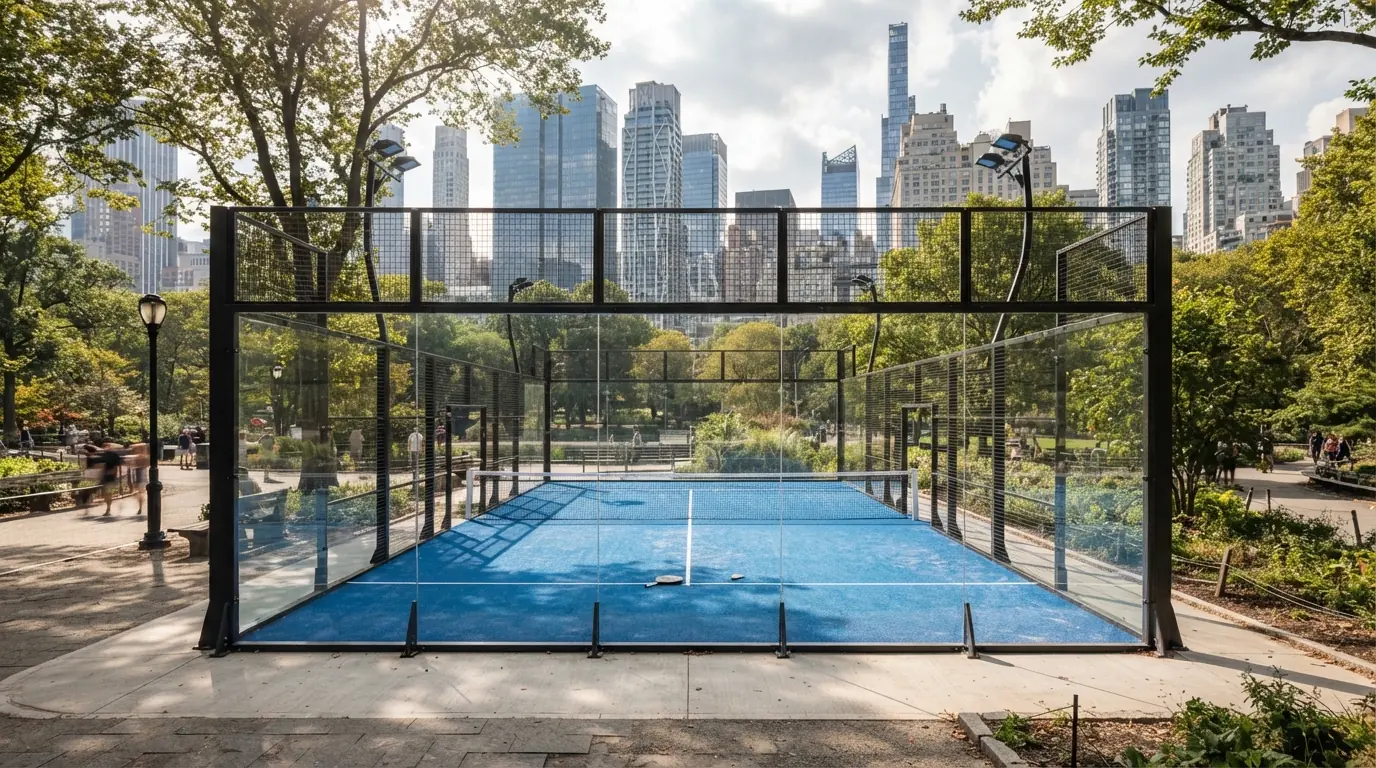
Pickleball's growth stopped being a story about a quirky backyard game years ago. Here's what the actual 2026 numbers say about participation, courts, who's playing, and the business built around it.
US PARTICIPATION, 2025
AND COUNTING
Participation: From Niche to Mainstream
US pickleball participation reached roughly 24 million players in 2025, up from about 4.2 million in 2020 — a roughly 479% increase in five years that's made it the fastest-growing sport in the country over that stretch. The sport added an estimated 4.5 million new players in 2025 alone, and participation was still up about 15% year-over-year in the first quarter of 2026, putting the sport on pace toward the roughly 28 million US players projected by the end of the year.
Court Infrastructure
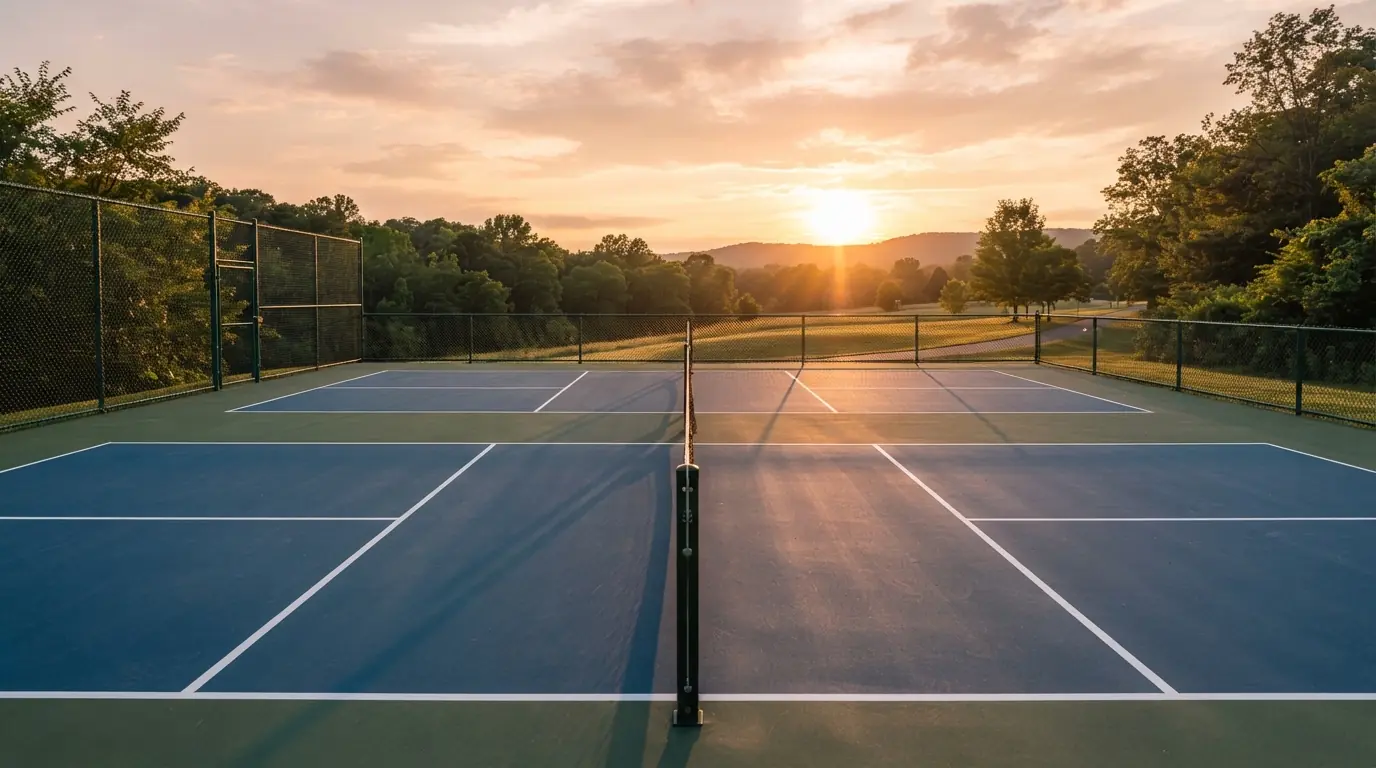
Supply has scaled to match demand. USA Pickleball's own Annual Growth Report counts more than 82,000 courts across upwards of 18,000 locations nationwide, with over 14,000 new courts added in a single recent year — roughly 39 new courts built every day, on average. That's a dramatically bigger footprint than the sport had even a few years ago, and it reflects both dedicated pickleball facility construction and the continued conversion of existing tennis and multi-use courts.
Adding roughly 39 courts a day only happens when demand is real and sustained — court construction is a lagging indicator that's much harder to fake than a participation survey.
Who's Actually Playing Now
The player base has shifted meaningfully younger, not older, which cuts against pickleball's early reputation as a retiree sport. Average player age dropped from 41 in 2020 to roughly 34.8 today, and teens and young adults (ages 13–24) now post the highest participation growth rate of any age segment. Women's participation has also grown from about 38.6% of players in 2020 to roughly 42.9% in 2025 — a meaningfully more balanced split than the sport's early years, and a trend line worth watching as it continues.
The Business Behind the Boom
None of this growth happened without real commercial infrastructure behind it. The US pickleball equipment and apparel market is estimated at roughly $2.3 billion, spanning paddles, balls, apparel, court construction and the professional league scene — see our pro pickleball leagues explainer for how the PPA and MLP merger fits into that commercial picture. A market that size doesn't form around a passing fad; it reflects sustained, repeat consumer spending across a genuinely large player base.
What This Actually Means Going Forward
Every underlying number points the same direction: more players, meaningfully more courts, a younger and more gender-balanced player base than the sport started with, and real money flowing through equipment, apparel and professional competition. That combination — participation, infrastructure, demographics and commercial investment all growing together — is what separates a genuine structural shift in how Americans play racket sports from a short-lived trend. If you're new to the sport and wondering whether now's a good time to start, our beginner gear guide covers exactly what a first-time setup should look like, and our padel growth comparison covers how the newer racket sport stacks up against pickleball's much larger, more mature US footprint.